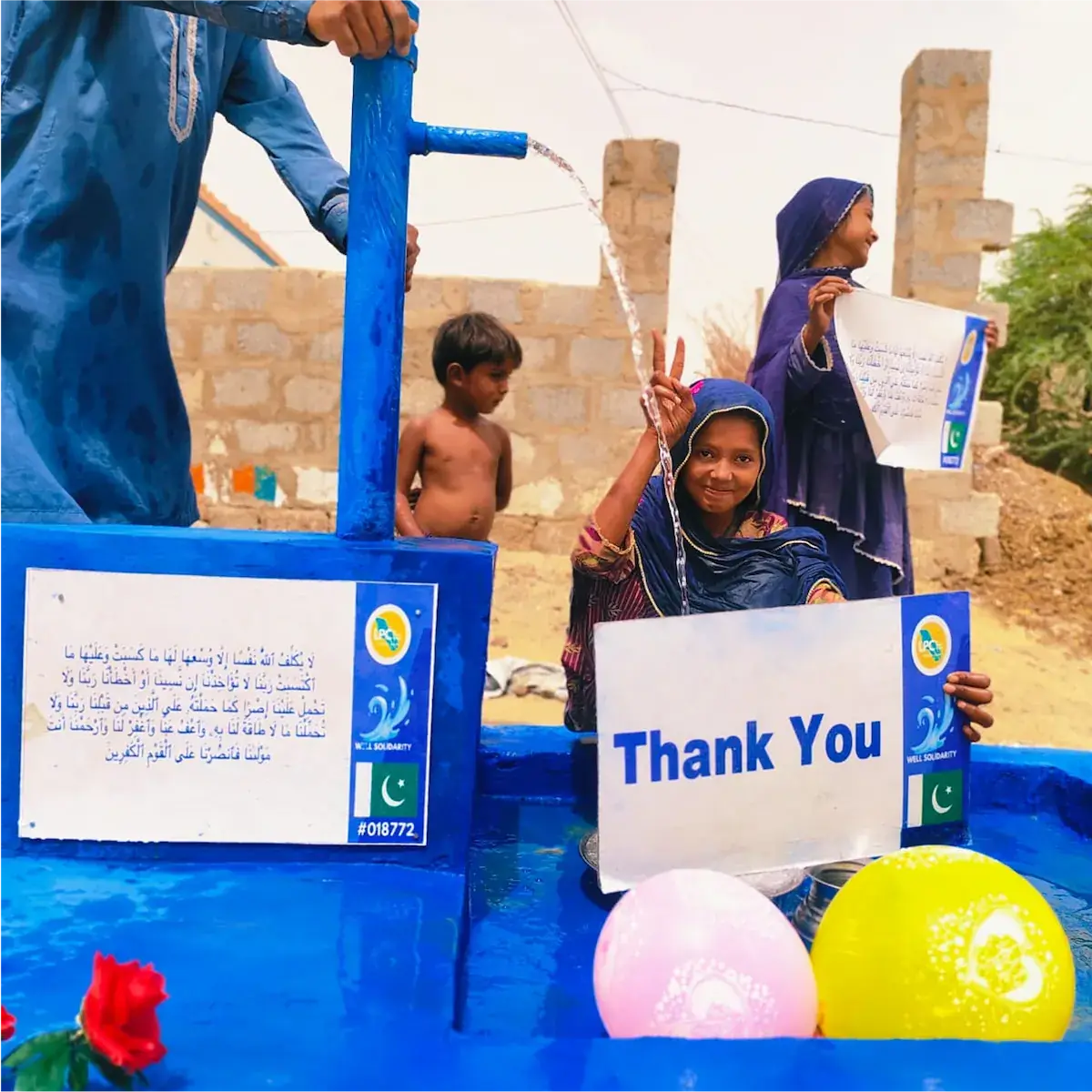
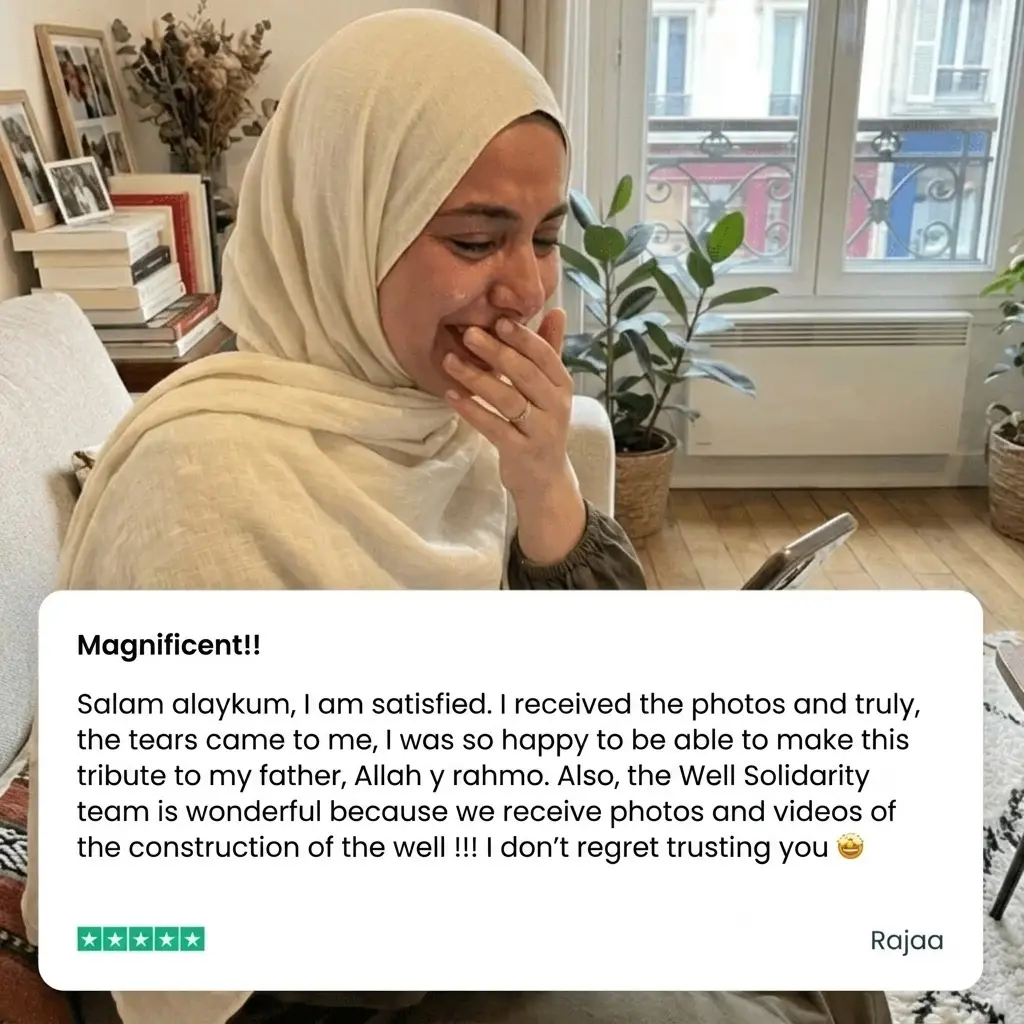
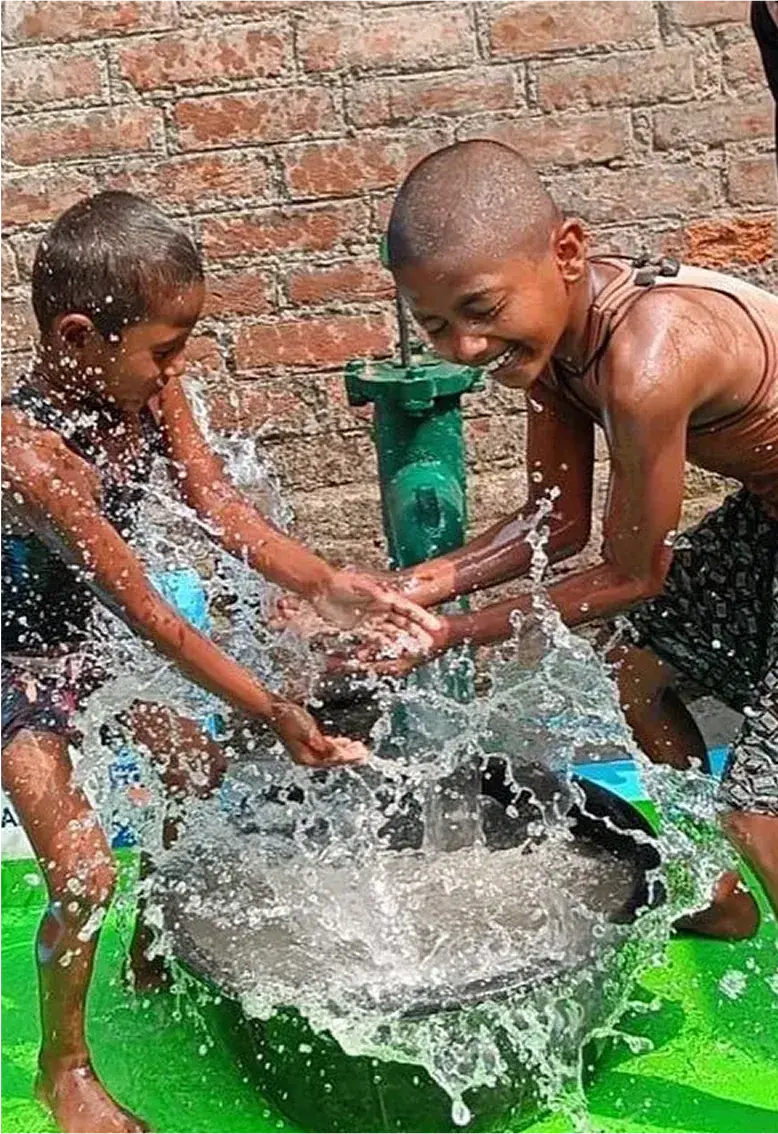
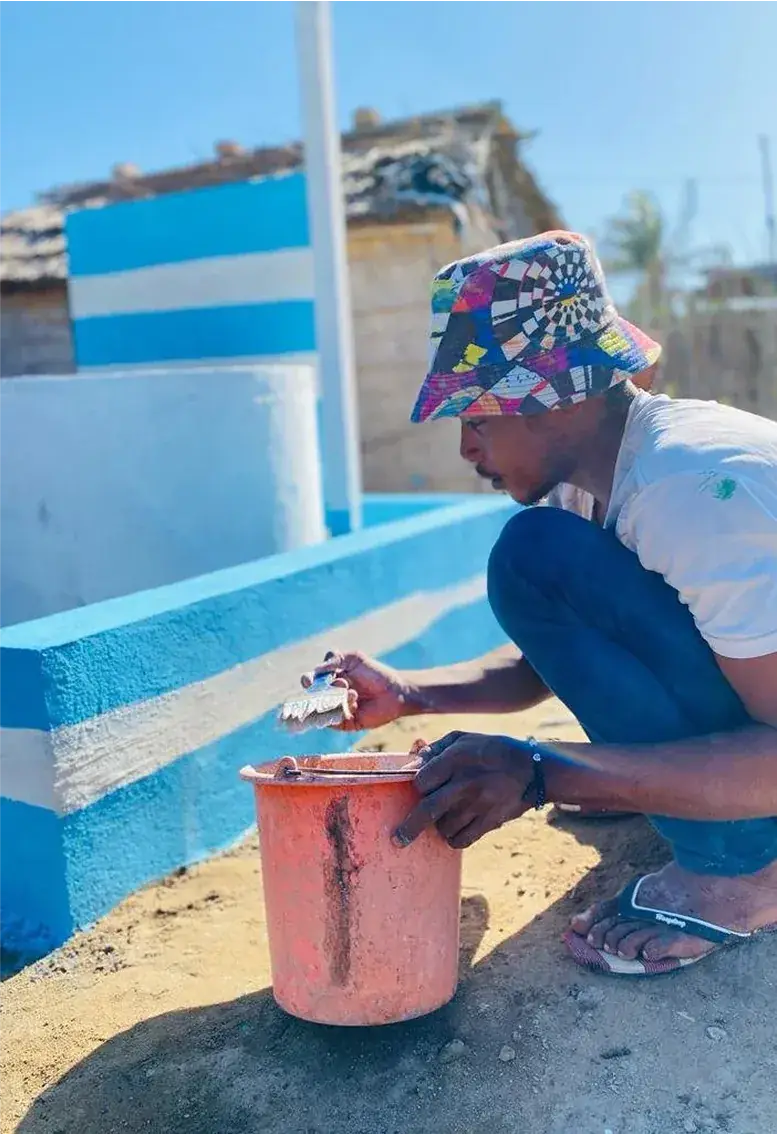
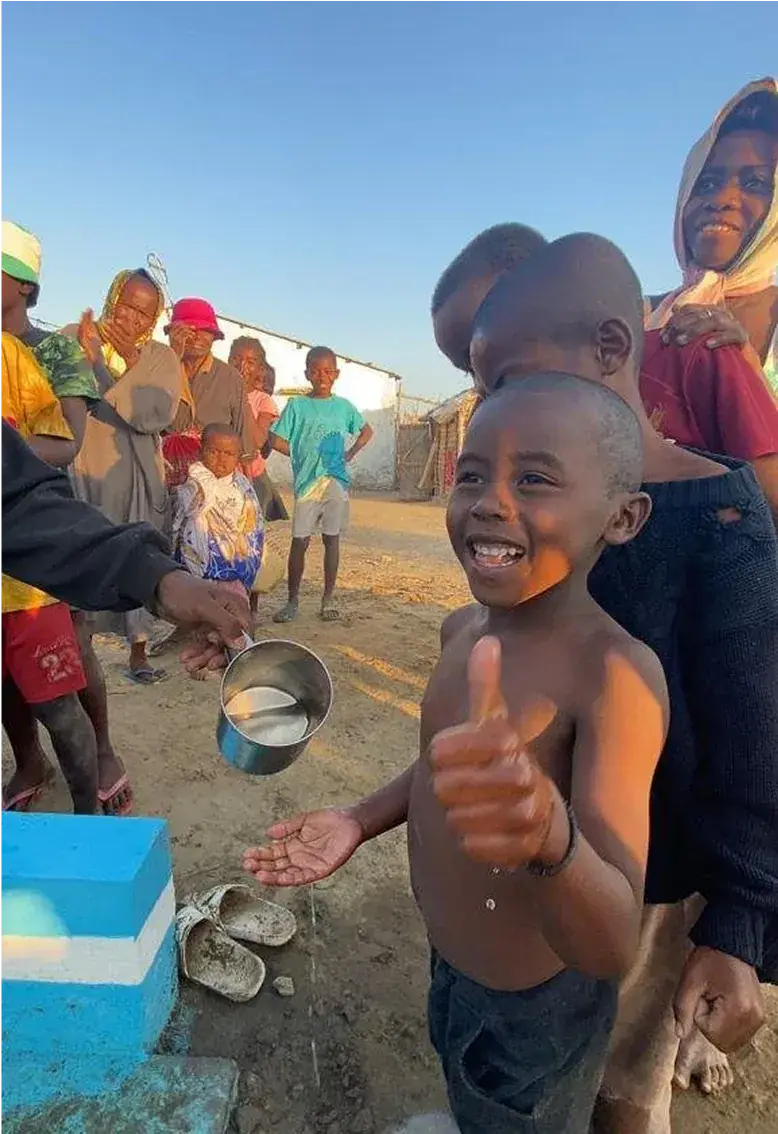
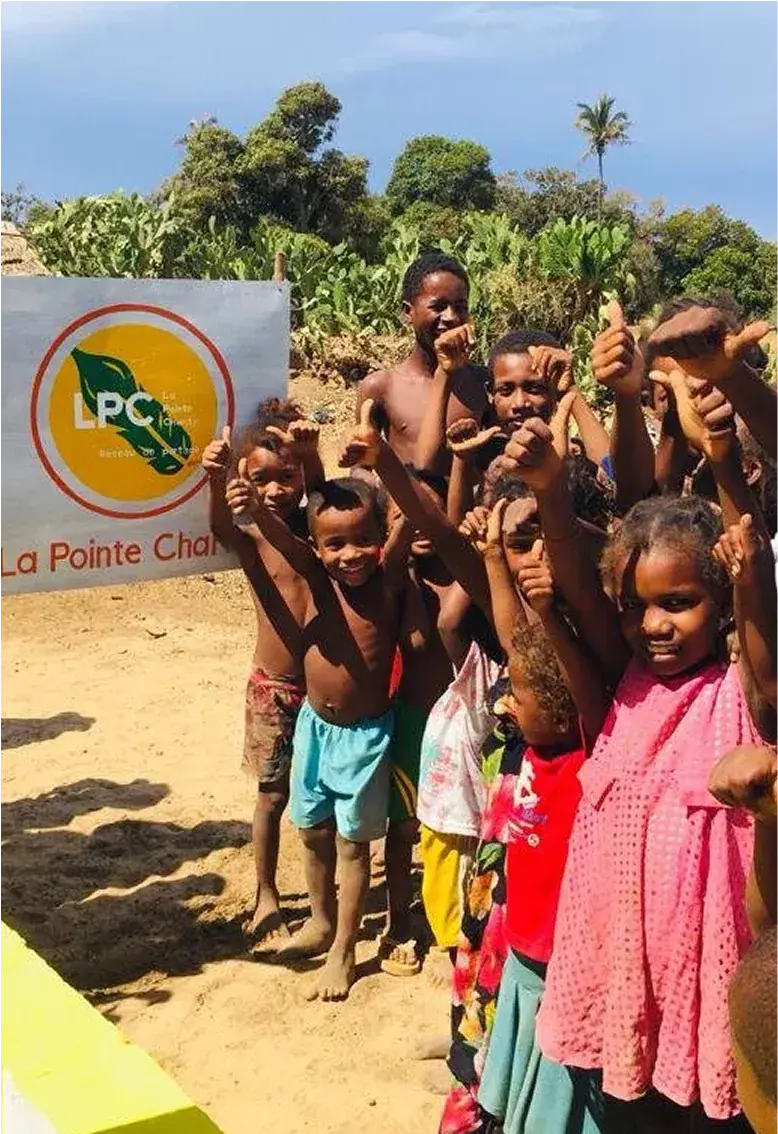
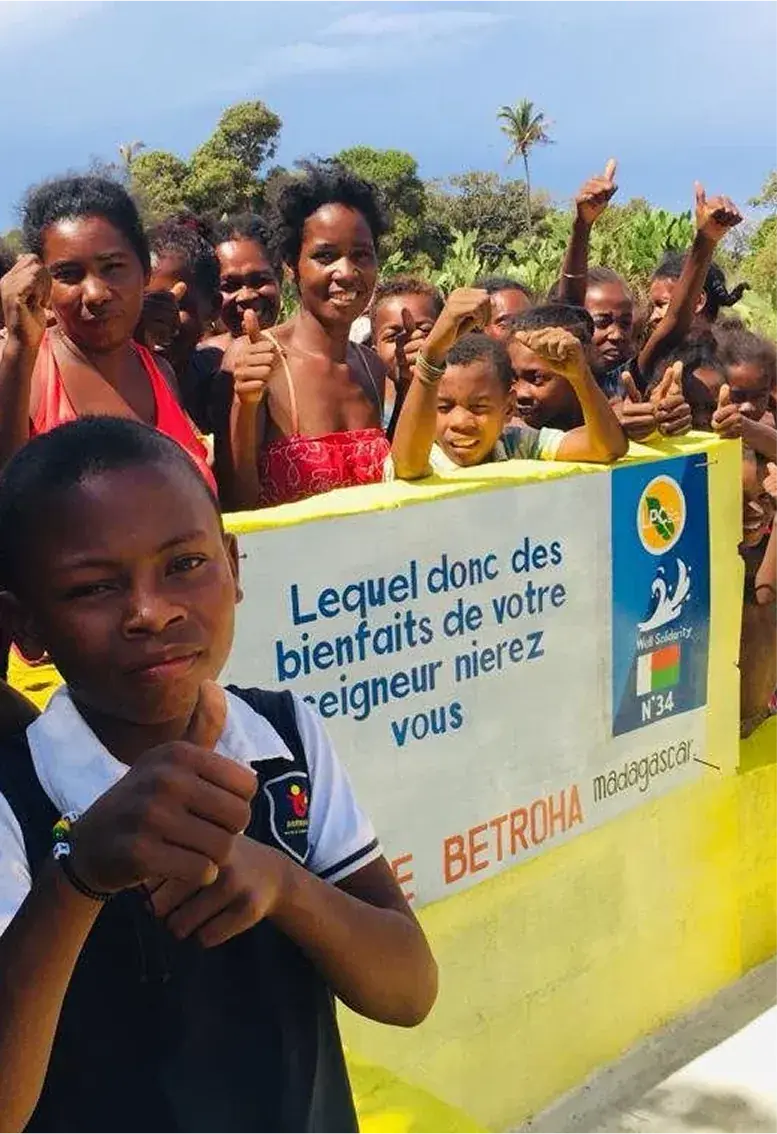
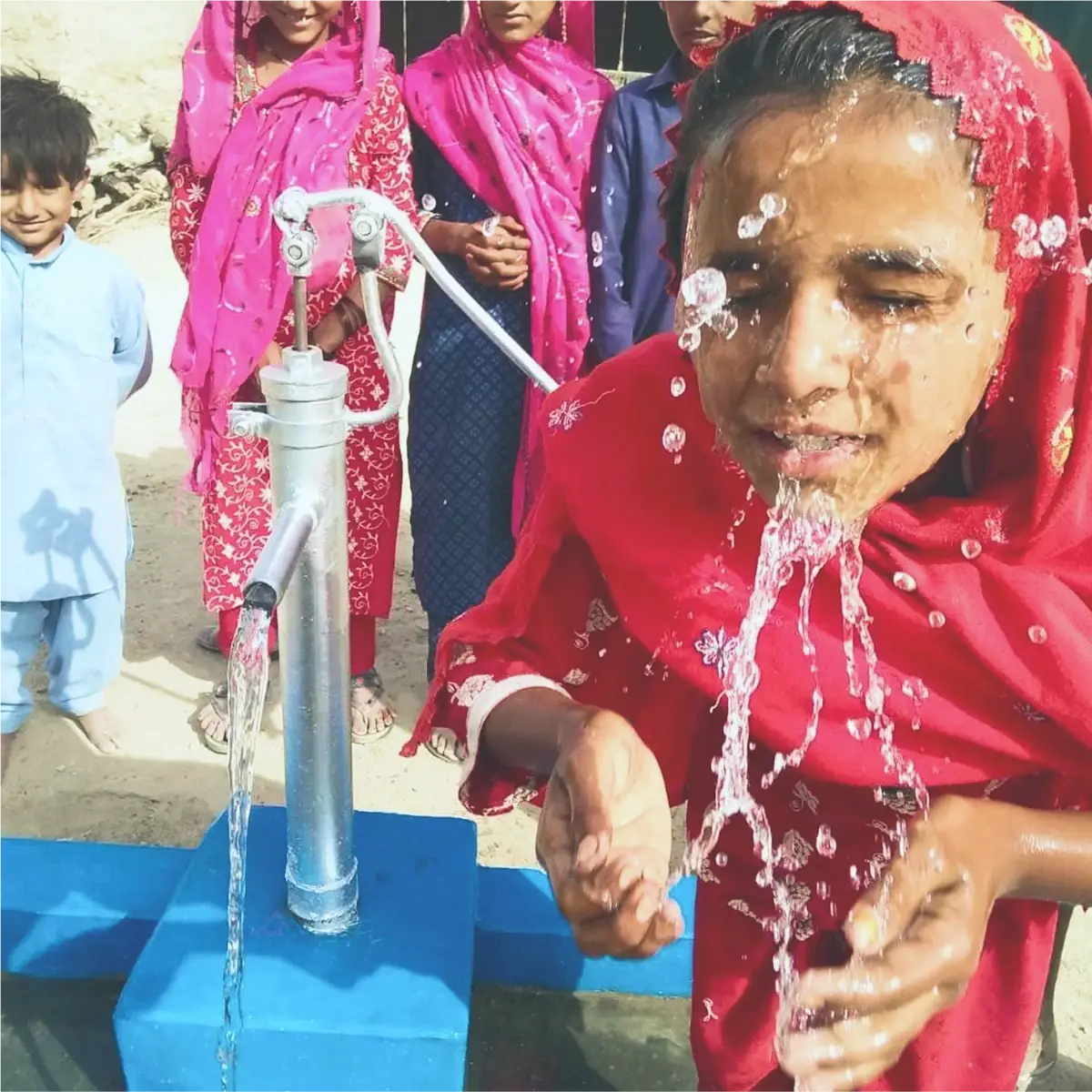
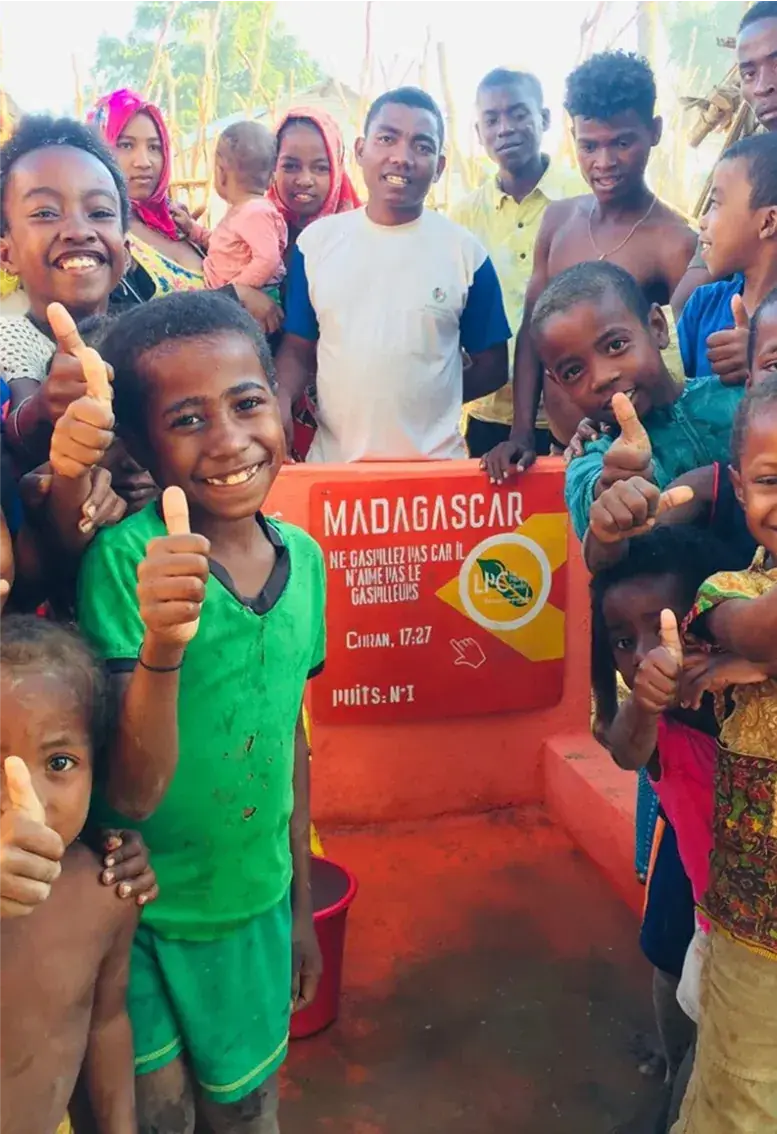
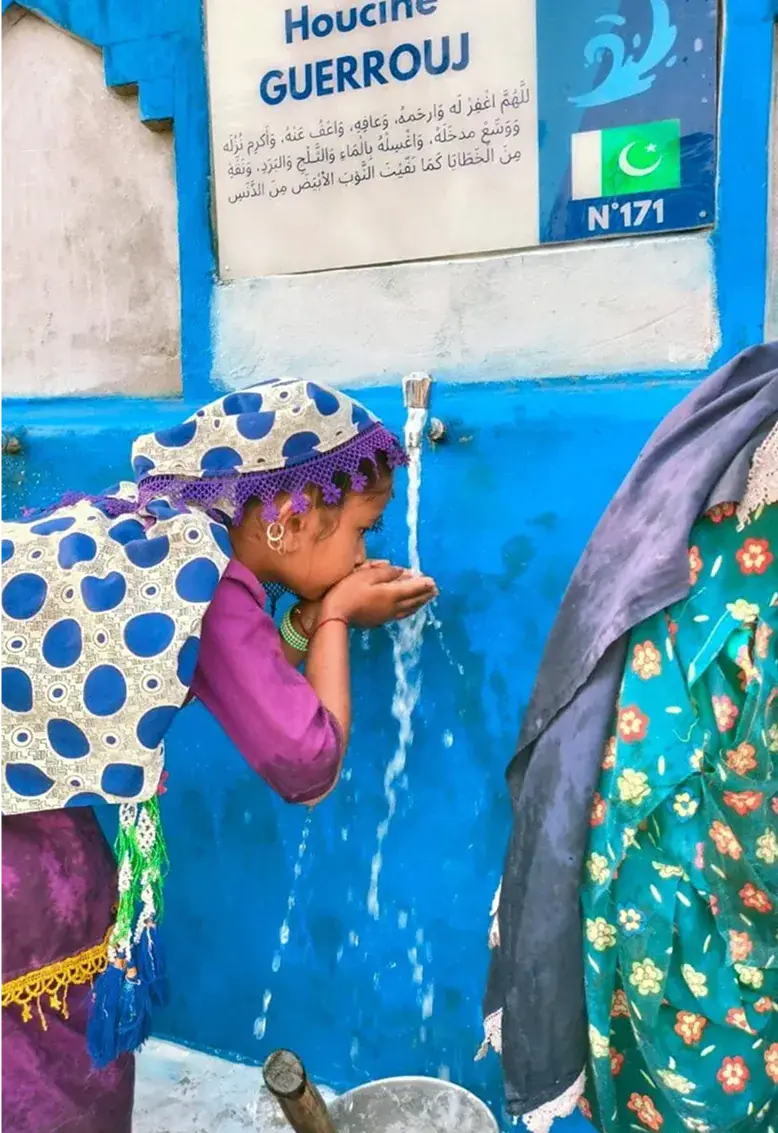
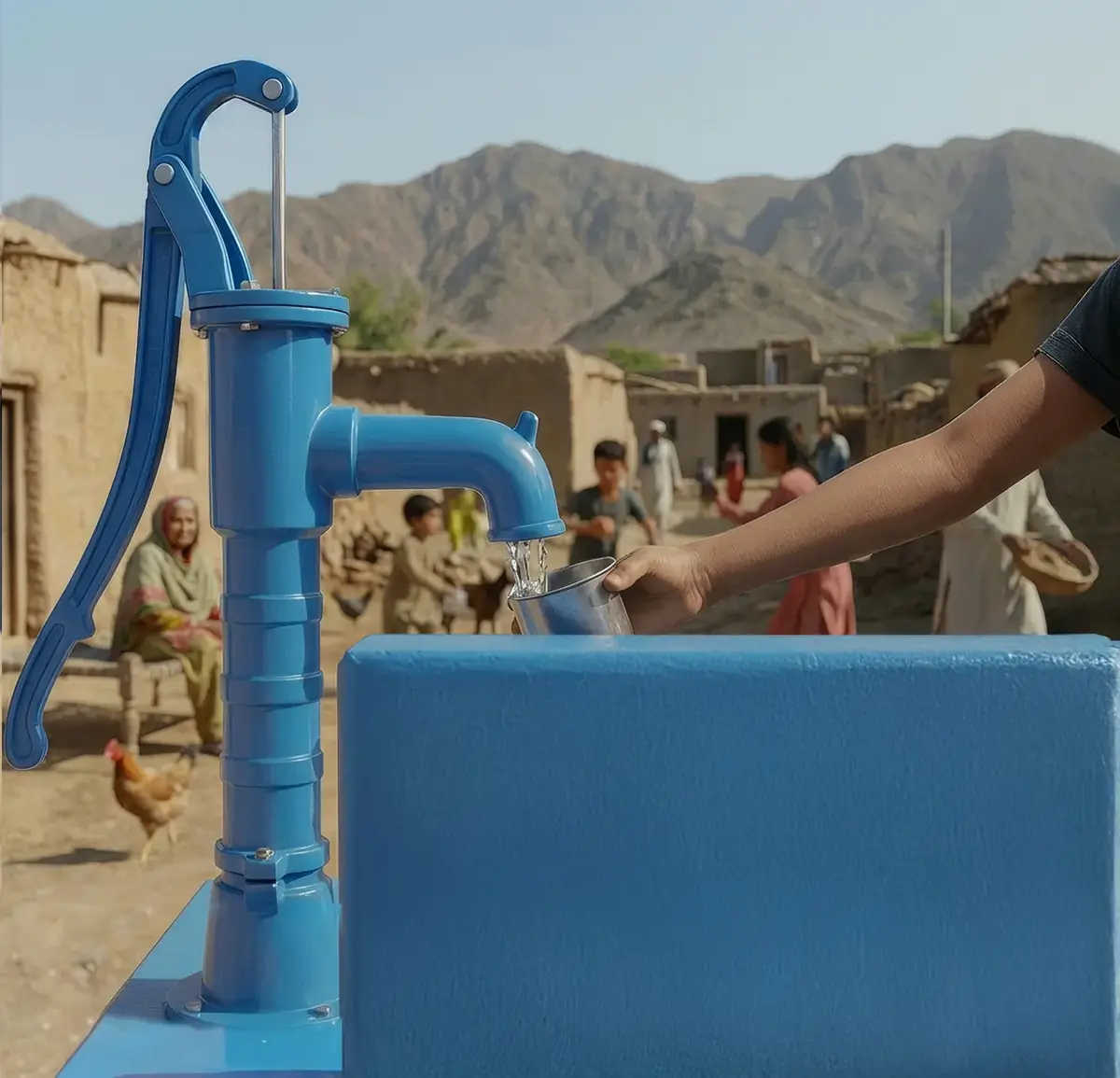
💧 Give a well in the name of a loved one: a gift that keeps flowing. 🌳 A tree planted in their name: every fruit, every patch of shade will be credited to them. 🎁 Looking for an unforgettable gift? Give a Well in your parents' name. 📖 « The best charity is to give water. »  ✨ Give more than a gift: a trace that endures, in their name. 📖 « Whoever plants a tree will have a reward for every creature that eats from it. » 

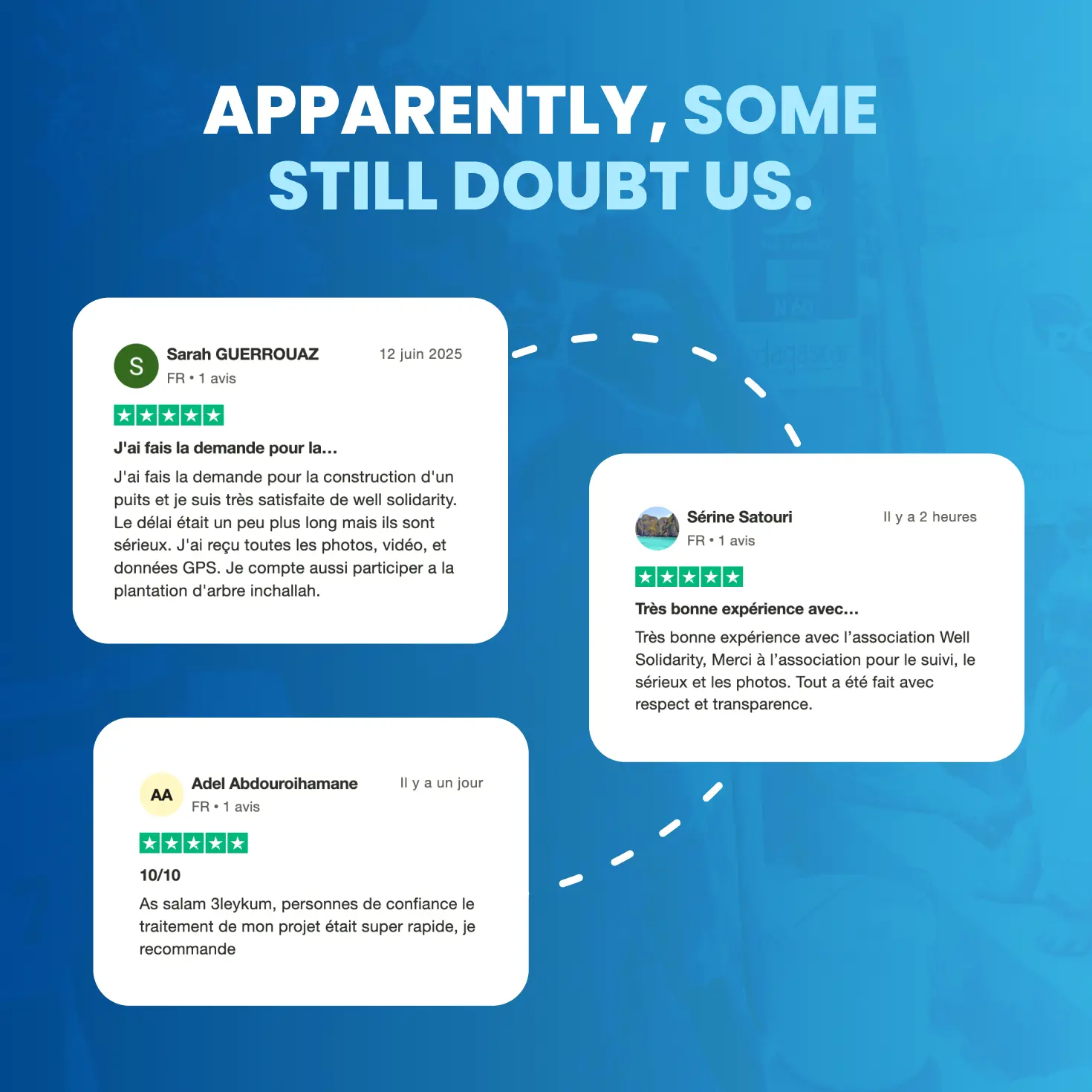
4.7/5 +1000 reviews
Need help?
Email us
We send you:
Your name or that
of a loved one on the sign
+20k committed customers have joined us
One action today, a change for generations.

Build a Simple Well 💧

Excellent!
4.7 out of 5 based on
1000 reviews
£195

Why choose this well?

Average time 3 months
Drinking water
Health
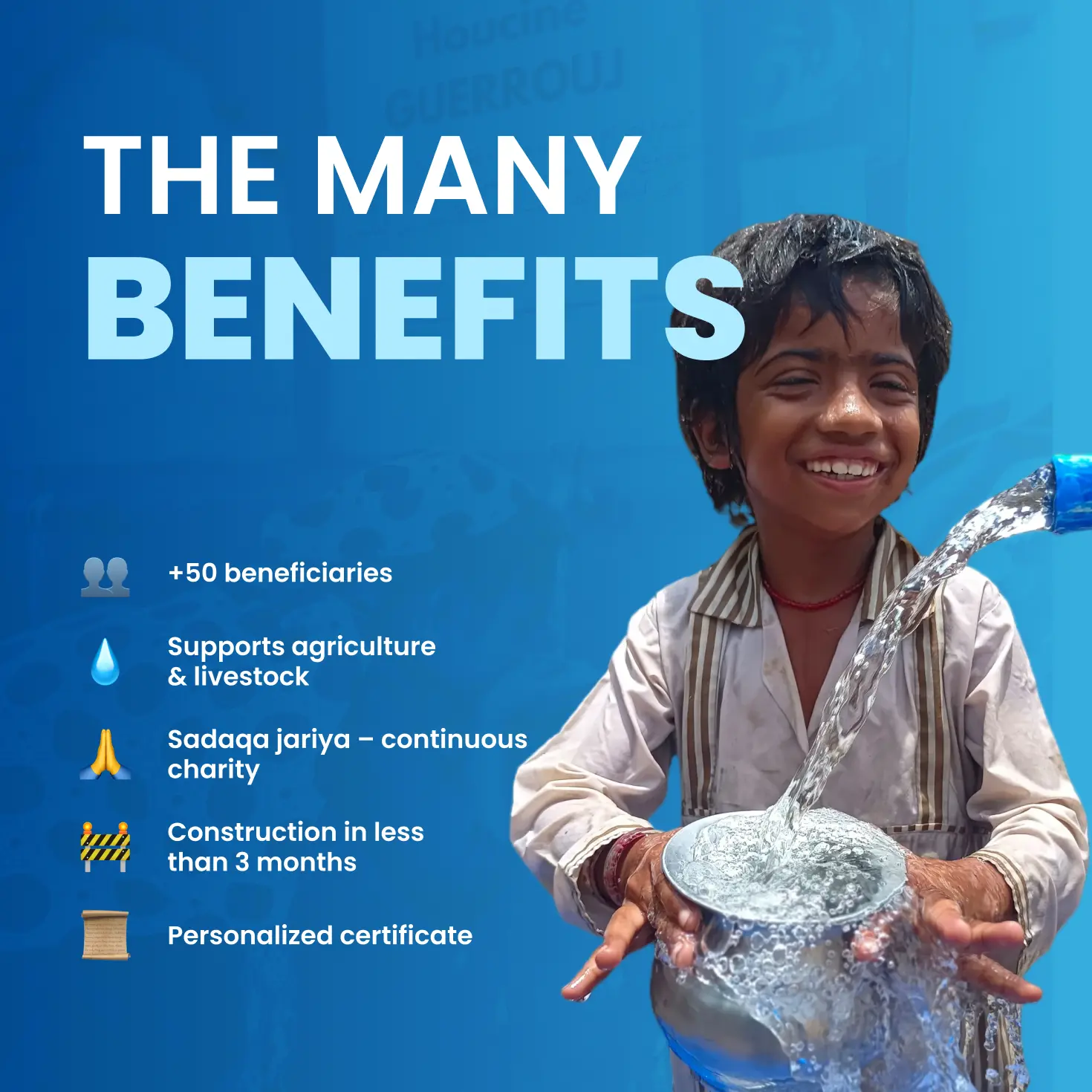
Up to 50 beneficiaries
Agriculture
Sadaqa jâriya

A useful, traceable and lasting project

Illustration of three people with stars.
Up to 50 beneficiaries
Well icon with bucket.
Construction time 3 months
Return
Share:

Join +20k customers already making a difference!

Excellent!

How it works

1.
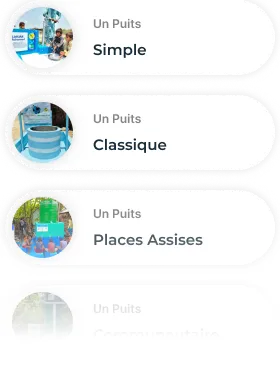
Three well options with different designs.

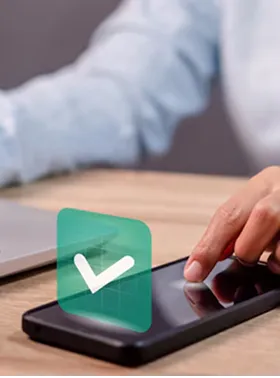
Online order

Step 1
Hand touching a smartphone with a verification icon.
2.

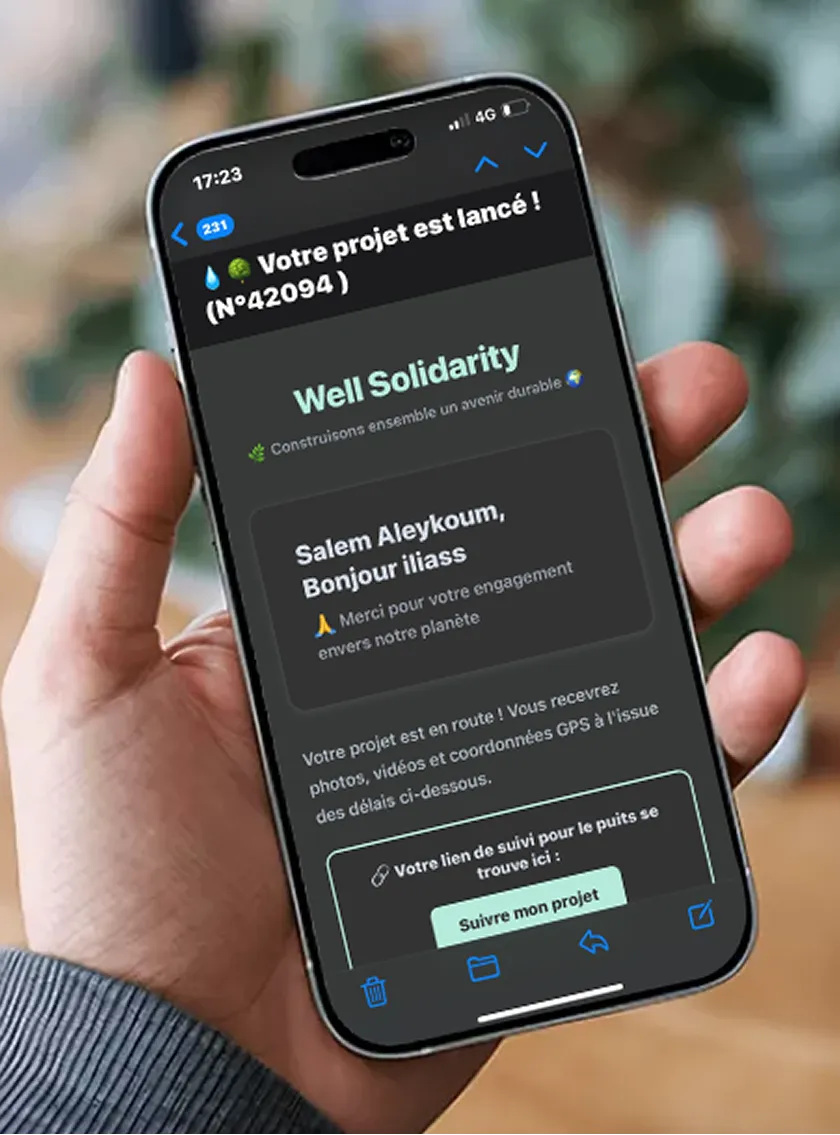
Confirmation and follow-up

Step 2
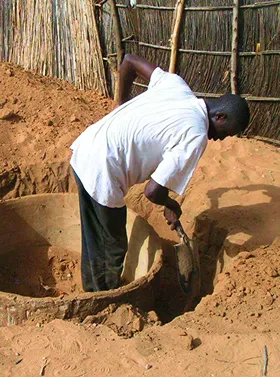
Person digging soil with a shovel.
3.

Construction on site

Step 3
4.

Completion and delivery

Average time: 3 months

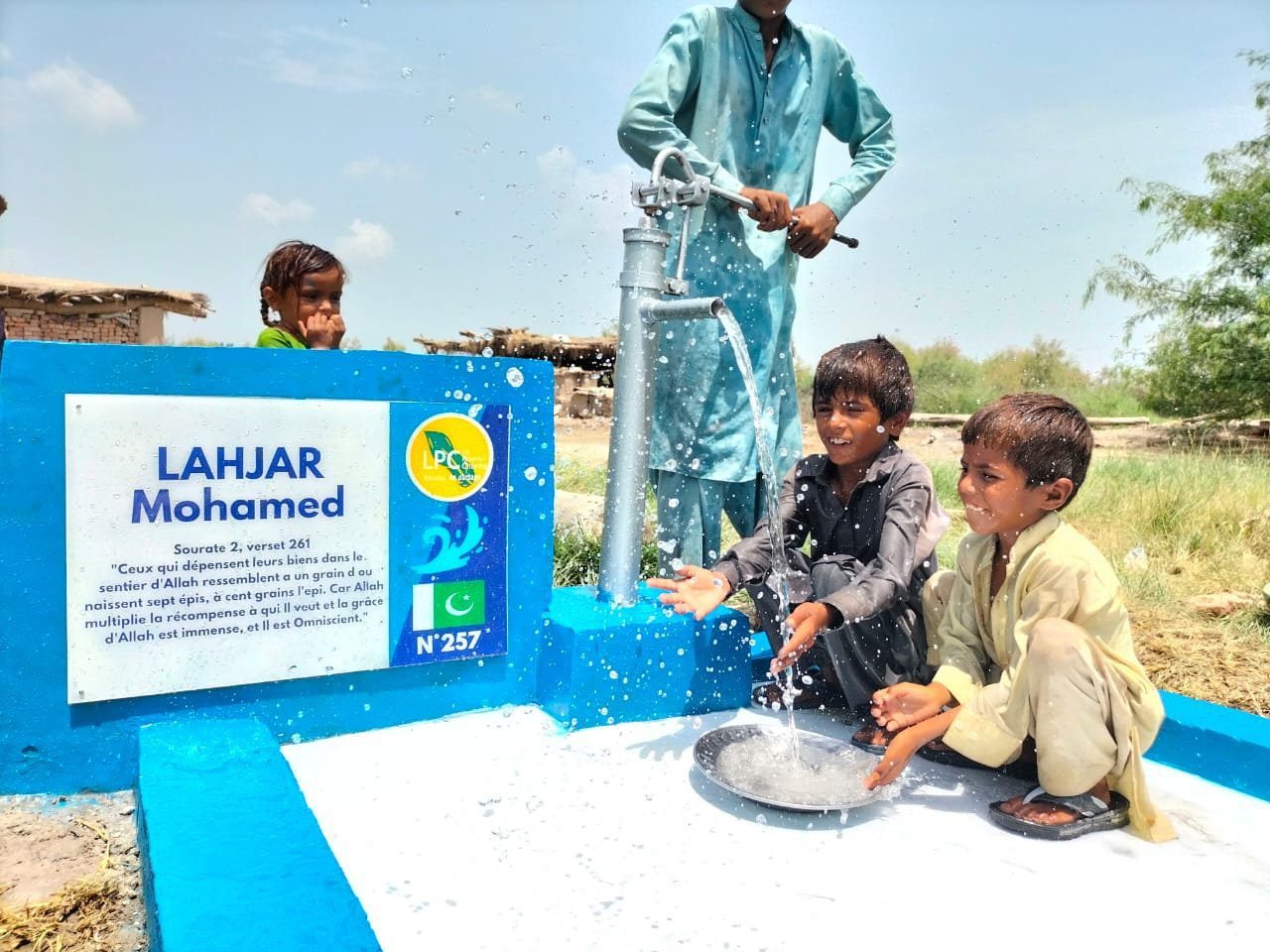
Some of Our Simple Wells 💧

Our Protocol for Building a Well 💧

Before starting, select the well location carefully, taking local geology into account to identify a potential underground water source. Make sure the site is accessible and suitable for digging a well.

A circular casing, made of metal or rigid plastic, is prepared. Its strength is essential to withstand soil pressure and ensure the well remains stable throughout all construction stages.
The casing is then placed at the chosen location. It serves as a guide throughout the excavation, allowing the well to descend straight and safely.
The teams begin digging inside the casing, using manual tools or mechanized equipment. This initial phase sets the casing into the ground.

As excavation progresses, the depth is carefully monitored. The goal is to reach the water table and ensure the quality of the water source.

Under the effect of digging and the weight of the casing, it gradually sinks into the soil. This method prevents collapse and ensures stable walls.

The soil and debris extracted from the casing are regularly removed. This operation, either manual or mechanized, is essential for allowing the casing to continue descending.

Once the desired depth is reached, the casing remains in place to form the final well structure. The well is secured to ensure long-lasting access and water protected from any contamination.

Building a Well is One of the Best Forms of Sadaqa jariya

Yes, building a well is considered sadaqa jariya (continuous charity). According to a hadith reported by Muslim, the Prophet Muhammad (peace and blessings be upon him) said:

“When the son of Adam dies, his deeds come to an end, except for three: ongoing charity (sadaqa jariya), beneficial knowledge, or a righteous child who prays for him.”

Building a well falls into the category of ongoing charity because it provides a sustainable and beneficial water source for people. Islamic teachings emphasize the importance of such charitable deeds, which continue to benefit the community even after the donor has passed away.

💧  Lasting drinking water in 60 days: In just 45-60 days, the perforated casing reaches the water table and delivers filtered, safe, clear water, ideal for immediately improving the health of rural families.


👥  Up to 50 lives transformed: Each driven well supplies a community of around 50 people, cutting journeys and freeing up time for school, work and family life.


🛠️ Suitable & affordable technology: Driving, jetting or sinking — three flexible methods to suit the local geology, limit upfront costs and guarantee a reliable installation, even in loose soils.


🌱  Social and environmental impact: By capturing infiltrated rainwater, the well protects the resource, supports subsistence farming and drives economic development without heavy infrastructure.

🚀  Quick installation, simple upkeep: Compact diameter (25-100 mm) and controlled depth (< 40 m): fewer parts, fewer breakdowns, easy local maintenance for years of trouble-free use.

✅ Advantages

  • 💧 Quick access to filtered water: perforated casing ≤ 40 m, up and running in 45-60 days.
  • 🛠️ Controlled cost & flexible techniques: driving, jetting or sinking suit almost every soil type.

⚠️ Drawbacks

  • 📏 Limited depth: less effective if the water table is too deep or rocky.
  • 🔄 Variable flow & regular upkeep: the filter may clog, requiring local monitoring.

🔩 Perforated casing + screen: steel or PVC, filters out sand and keeps the water clear.


📏 < 40 m deep, Ø 25-100 mm: designed for shallow water tables and a light installation.


⚙️ Flexible sinking (driving, jetting, sinking): adapts to the soil type and keeps costs under control.


⏱️ 45-60 days for 50 beneficiaries: quick access to drinking water, minimal local upkeep.

Our Other Types of Wells 💧

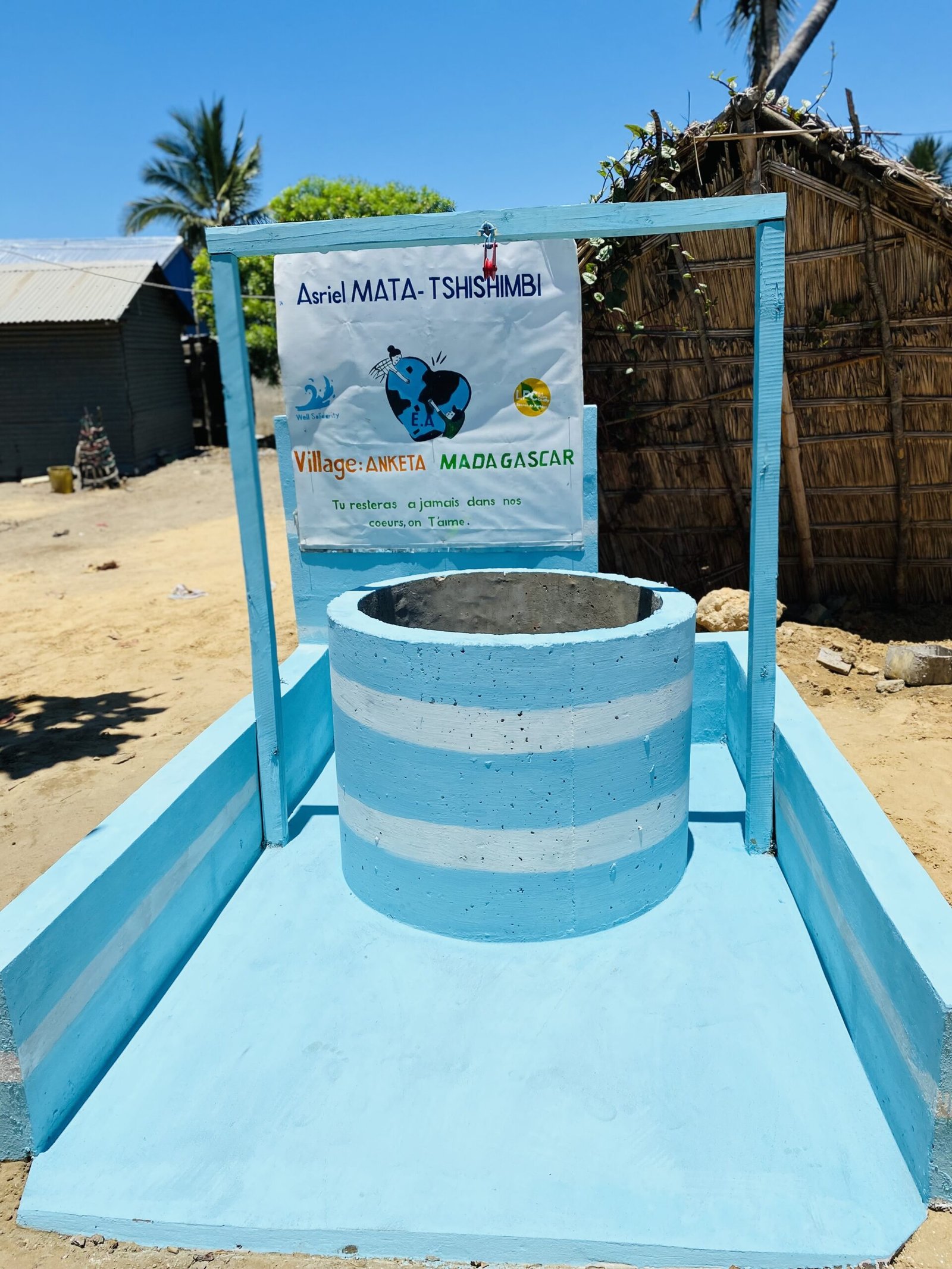
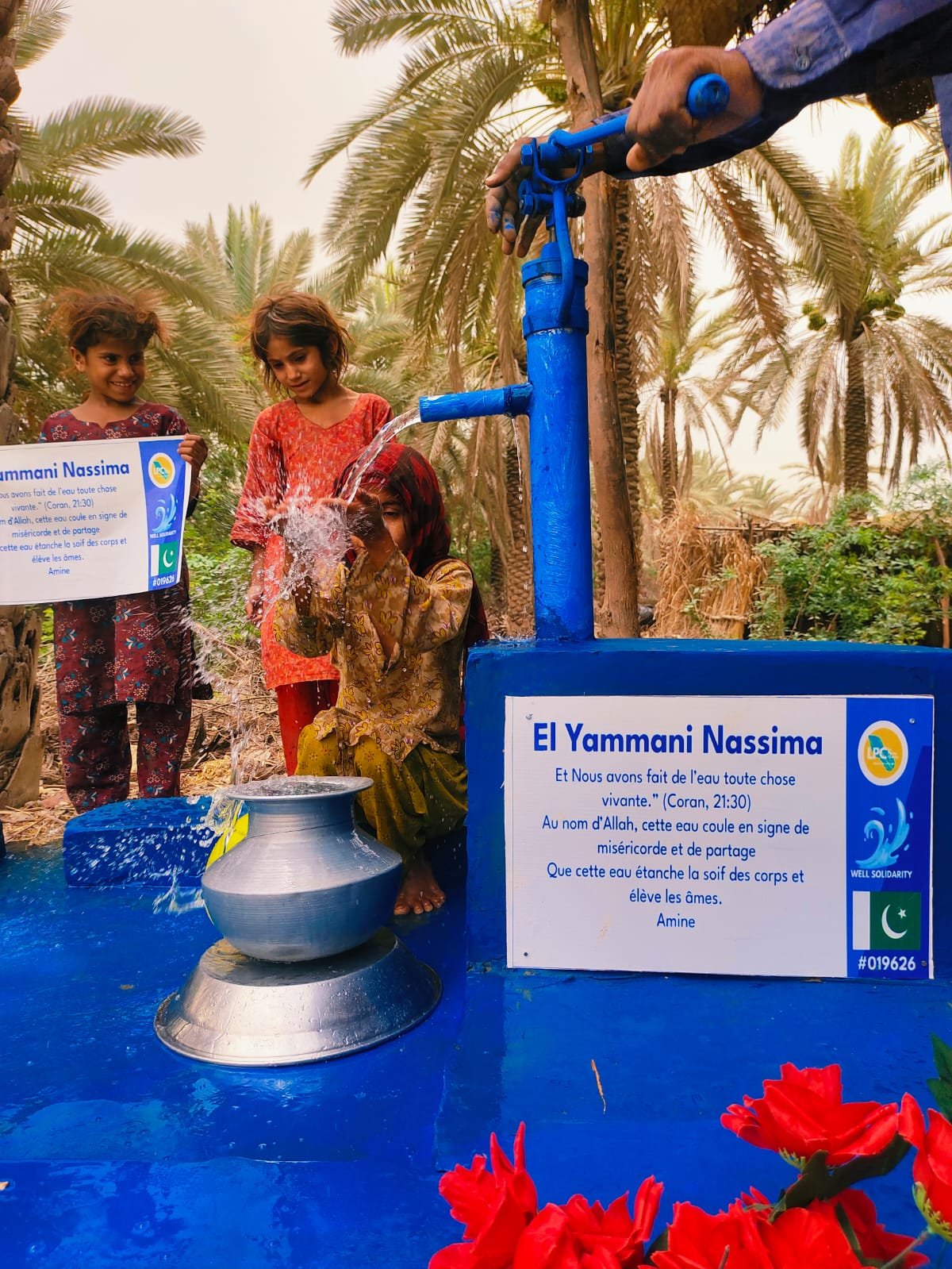
Blue well in a village in Madagascar.
Well

Classic

£875
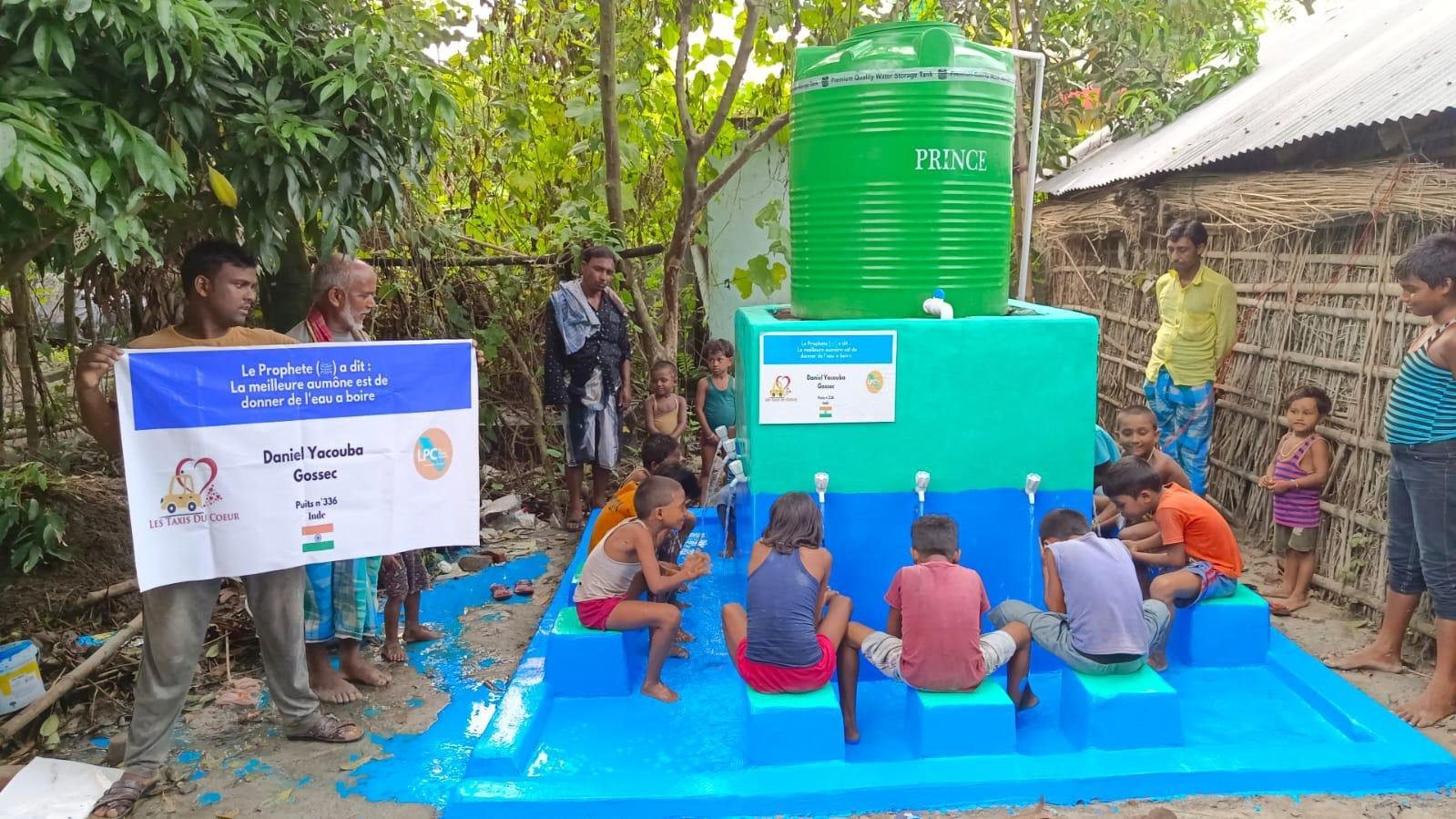
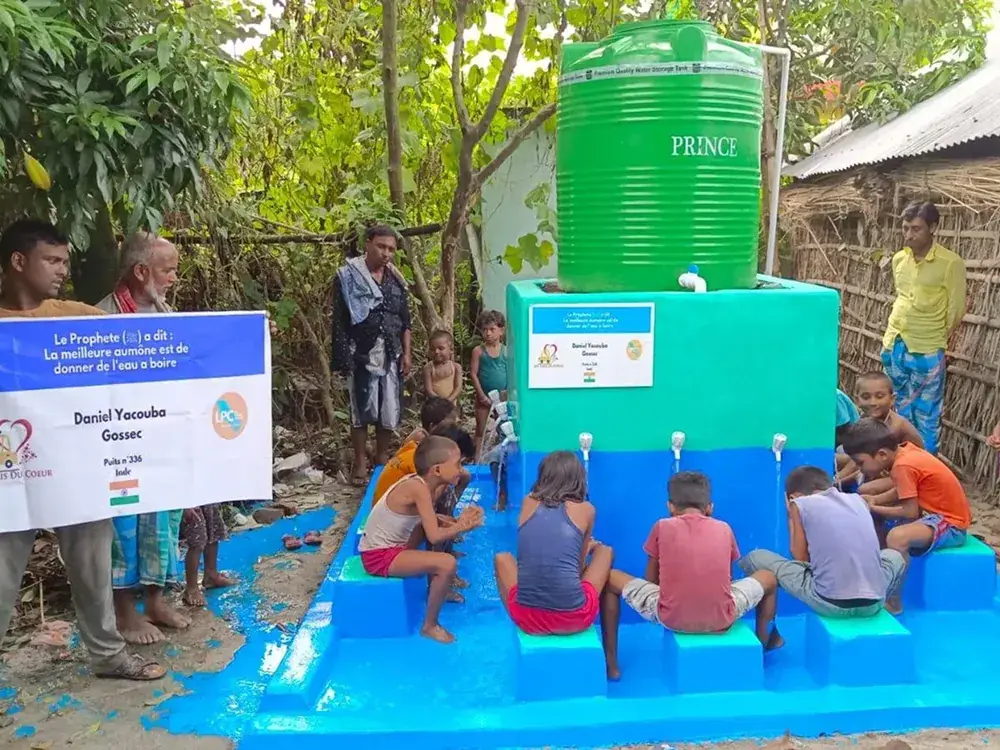
Children drinking from a community fountain.
Well
With Seating
£1,000
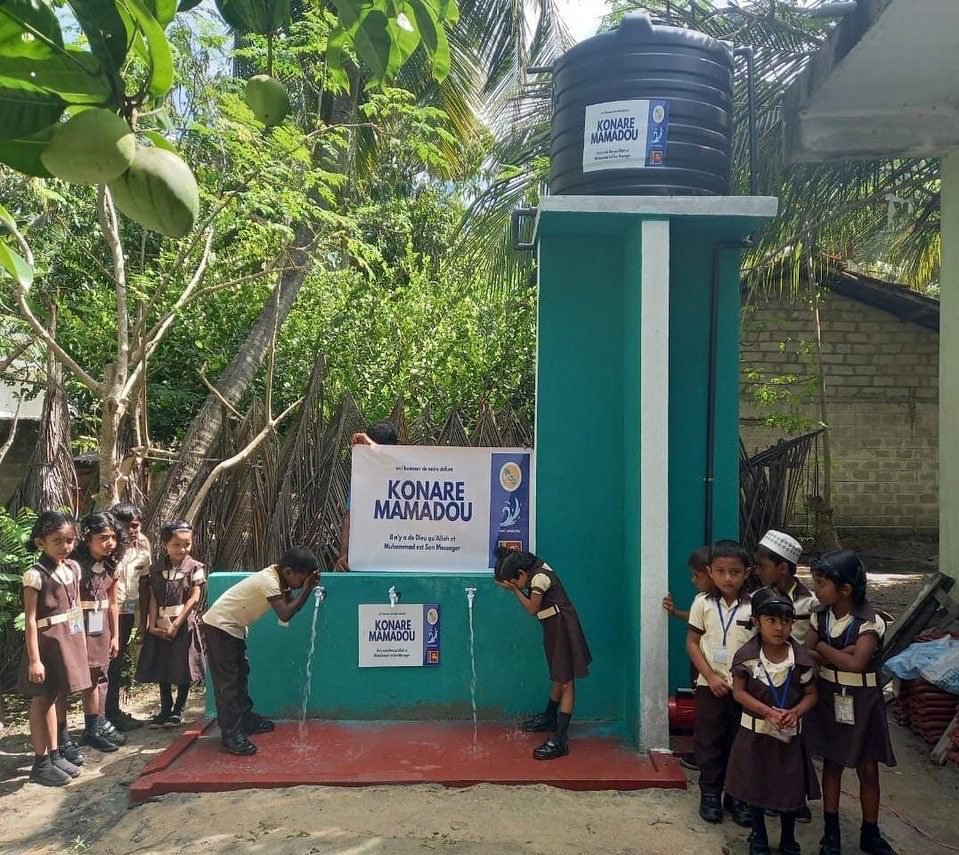
Children drinking from a water fountain.
Well
Community
£1,210

Frequently Asked Questions

Open your heart
And help those in need
How long can a well last?

We guarantee the proper functioning of the well for 2 years. Its lifespan can reach up to 10 years under good usage and maintenance conditions.

Yes, with regular maintenance work and constant monitoring, a well’s viability can be prolonged.
On average, construction is completed in 3 months, depending on the geology and water depth.
Because our expertise and local teams allow us to work efficiently while ensuring quality.
The cost varies depending on the depth, soil type, and the region where the project is carried out.
Thanks to careful planning and techniques adapted to the terrain, we accelerate the commissioning process.
Because it depends on several local factors, including geology and distance to the water table.
There is no single rate: each project is evaluated based on its geographic and technical context.