
7/10









Why choose to plant a forest?





A useful, traceable and lasting project
Thank you very much for planting my tree. Your team is trustworthy and professional, and I would definitely recommend you. I’m very satisfied, well done! Baraka Allahu fikoum 🤲🏾
Very professional follow-up. The tree arrived within 5 days.
An amazing experience, i strongly recommend.
May Allah bless them so they can help feed even more families. Beautiful experience, highly recommended 🥰
7/10
6/10
5/10
7/10
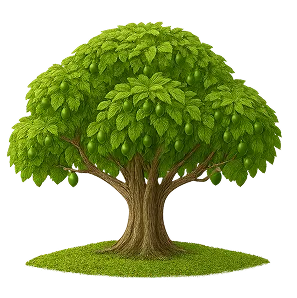
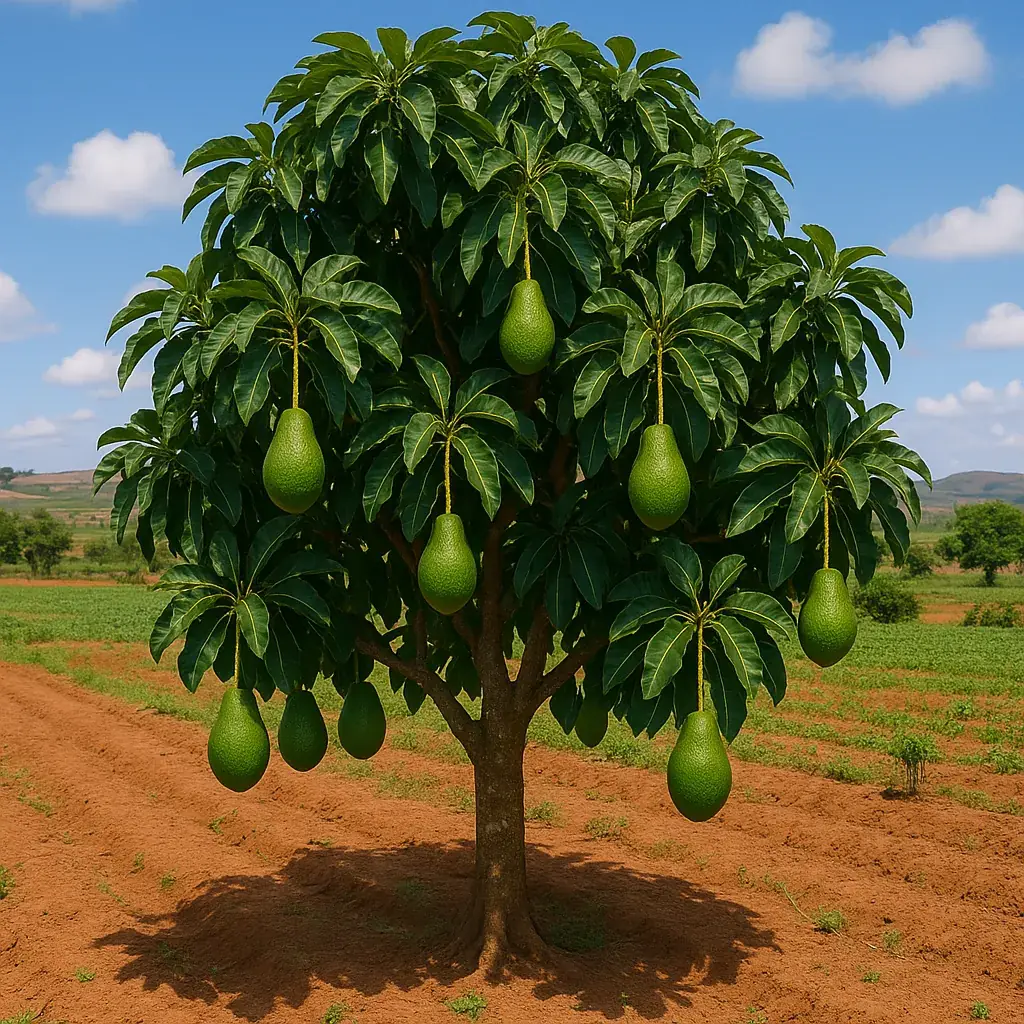
The avocado tree is a sturdy and generous tree 🥑, providing fruit rich in essential nutrients for many years. Planting one means offering a lasting resource and real food support to local families ✅.

9/10
8/10
7/10
7/10
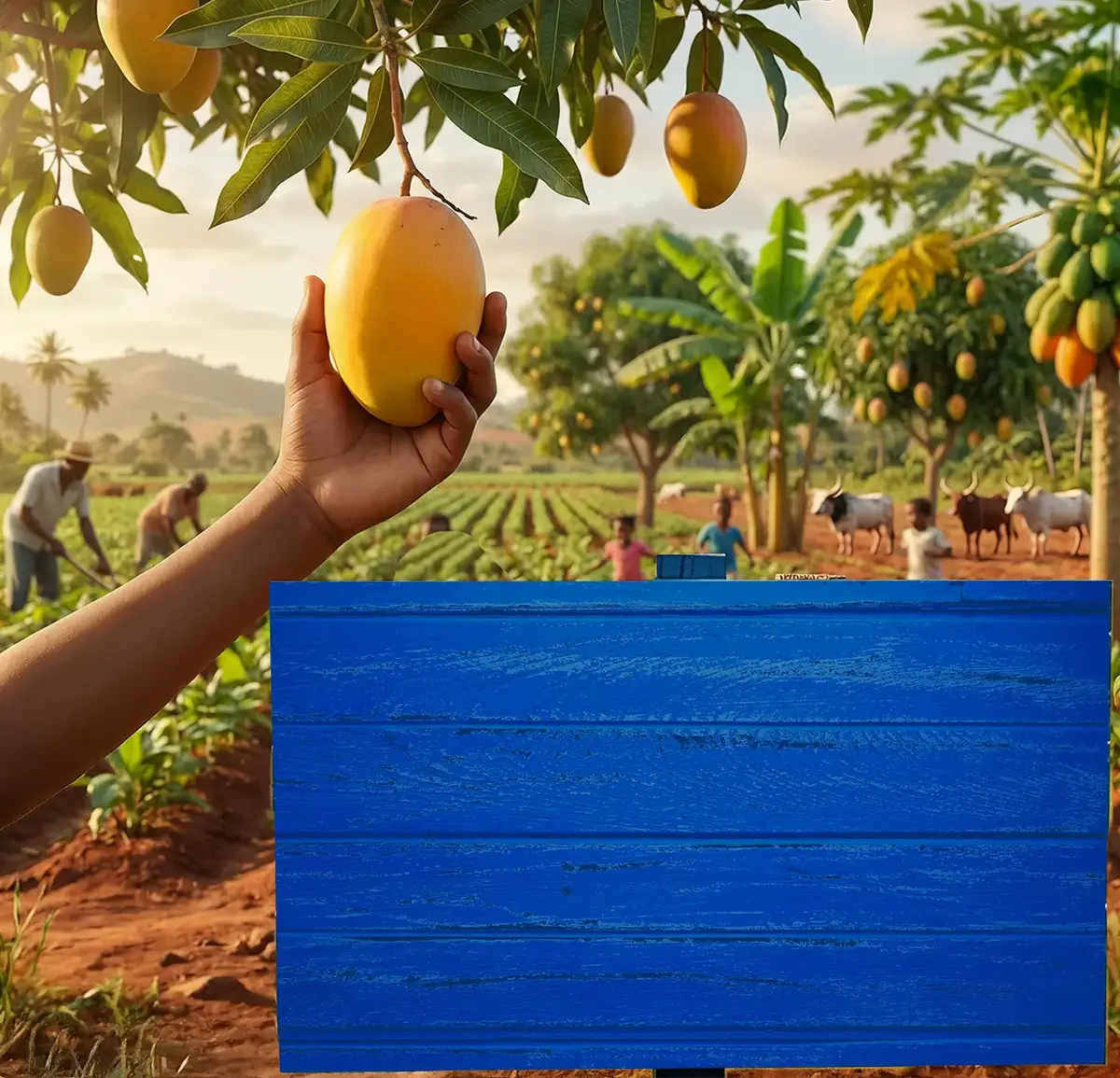
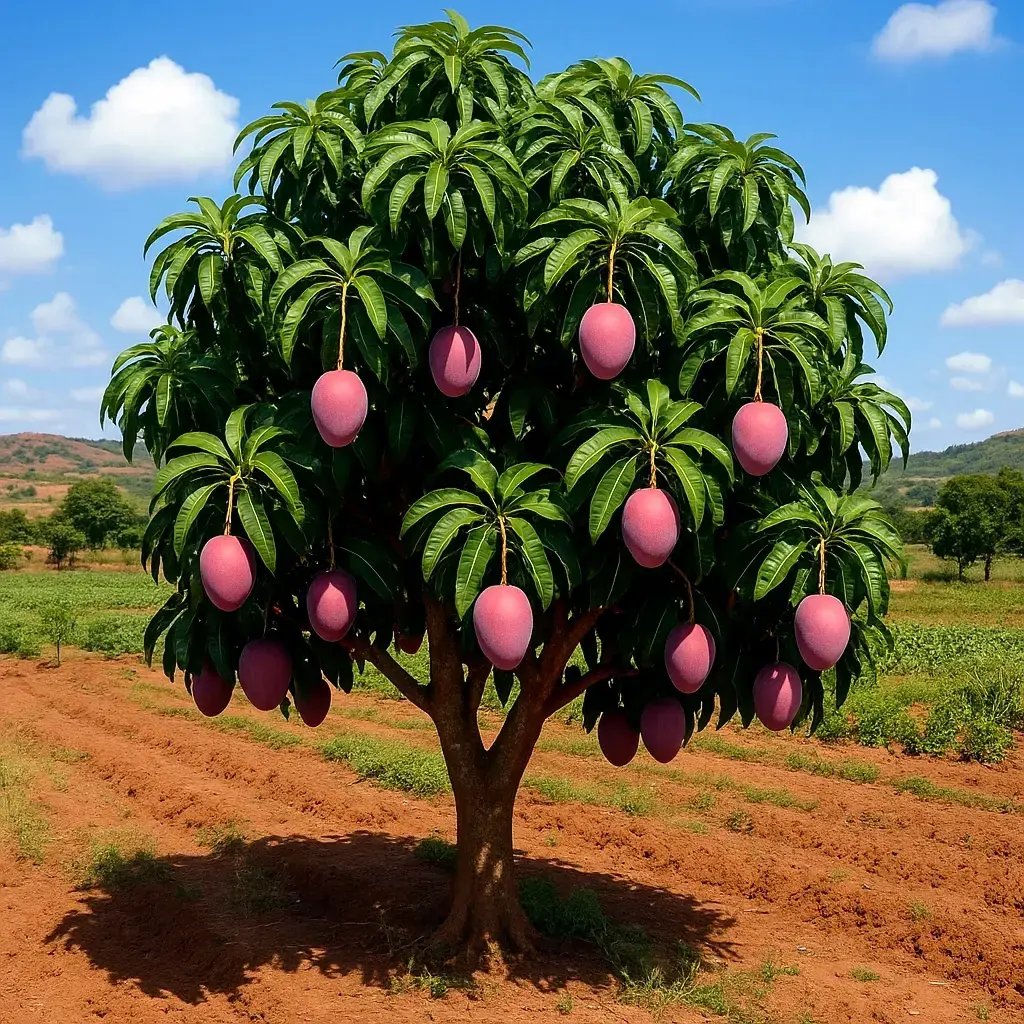
The mango tree, an iconic tropical tree 🥭, stands out for its abundant and regular harvests. Longevity, shade and delicious fruit make it an essential ally for communities. Planting one means offering abundance and prosperity 🌍.

6/10
7/10
6/10
5/10
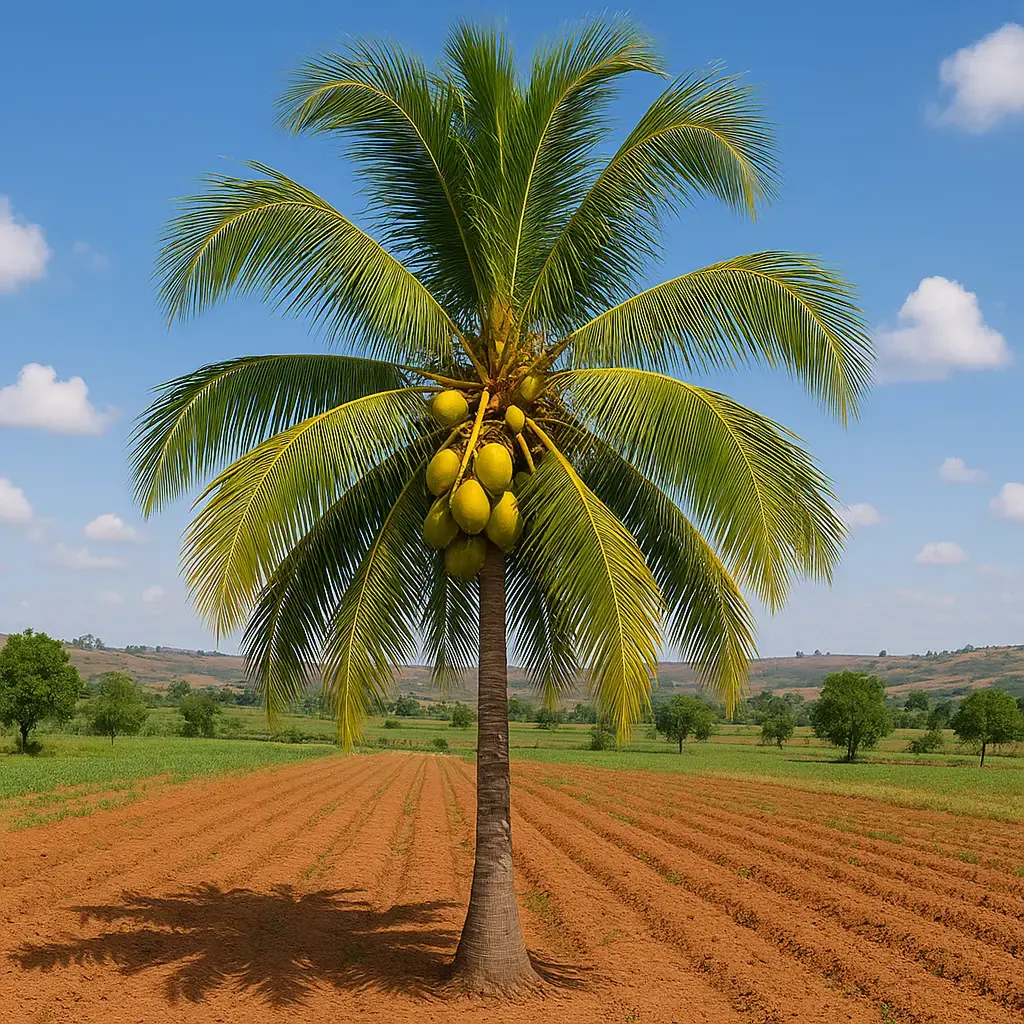
The coconut tree is a tree of a thousand uses 🥥. Its thirst-quenching water, nourishing flesh and useful fibres make it a complete resource. Its presence provides families with food, raw materials and a symbol of resilience 🌴.

8/10
5/10
4/10
6/10
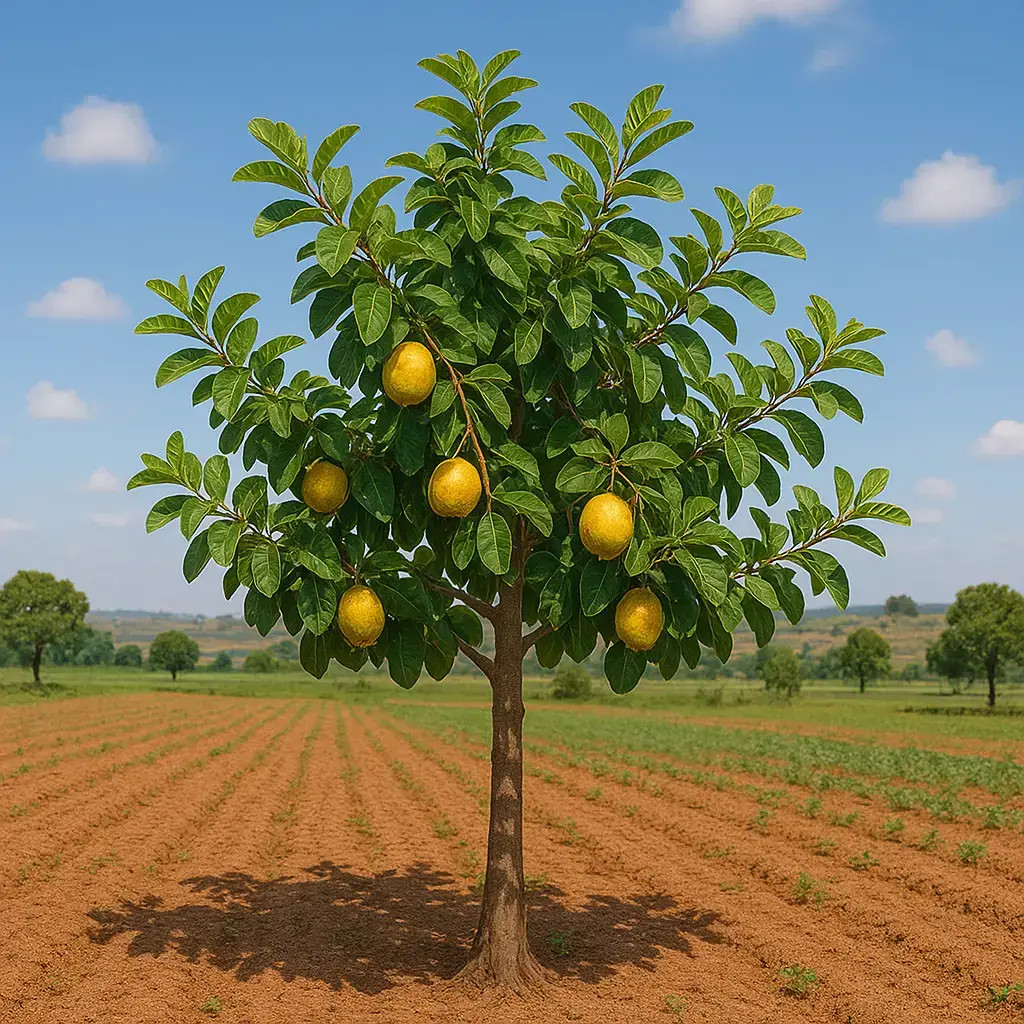
The guava tree is a small, generous tree 🍐, loved for its sweet, vitamin-rich fruit that ripens quickly. Planting one directly supports food self-sufficiency and enriches the diversity of local crops 🍂.

9/10
7/10
6/10
7/10
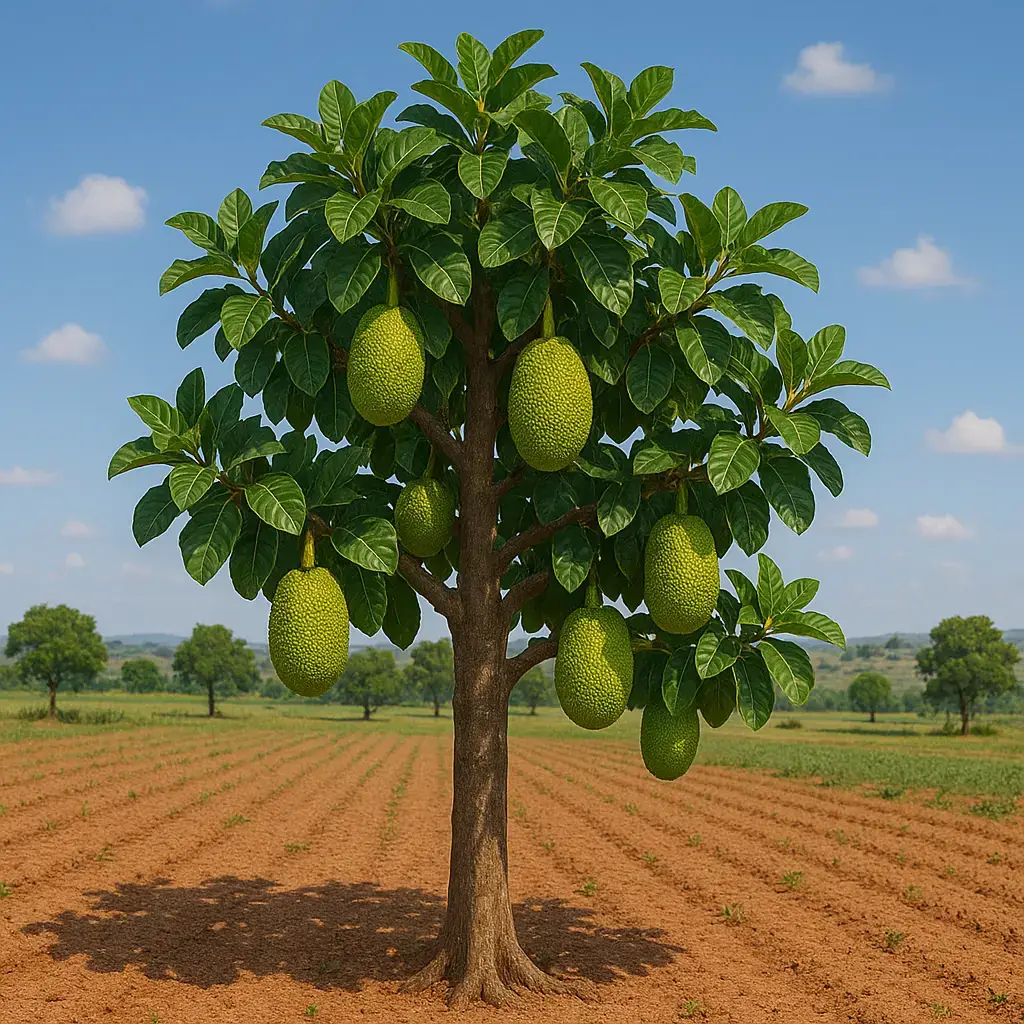
The jackfruit tree is known for its impressive and nourishing fruit 🍈, true food treasures. A source of meals and sometimes of income, it plays a key role in families’ food security and economic stability 💪.
5/10
4/10
7/10
8/10
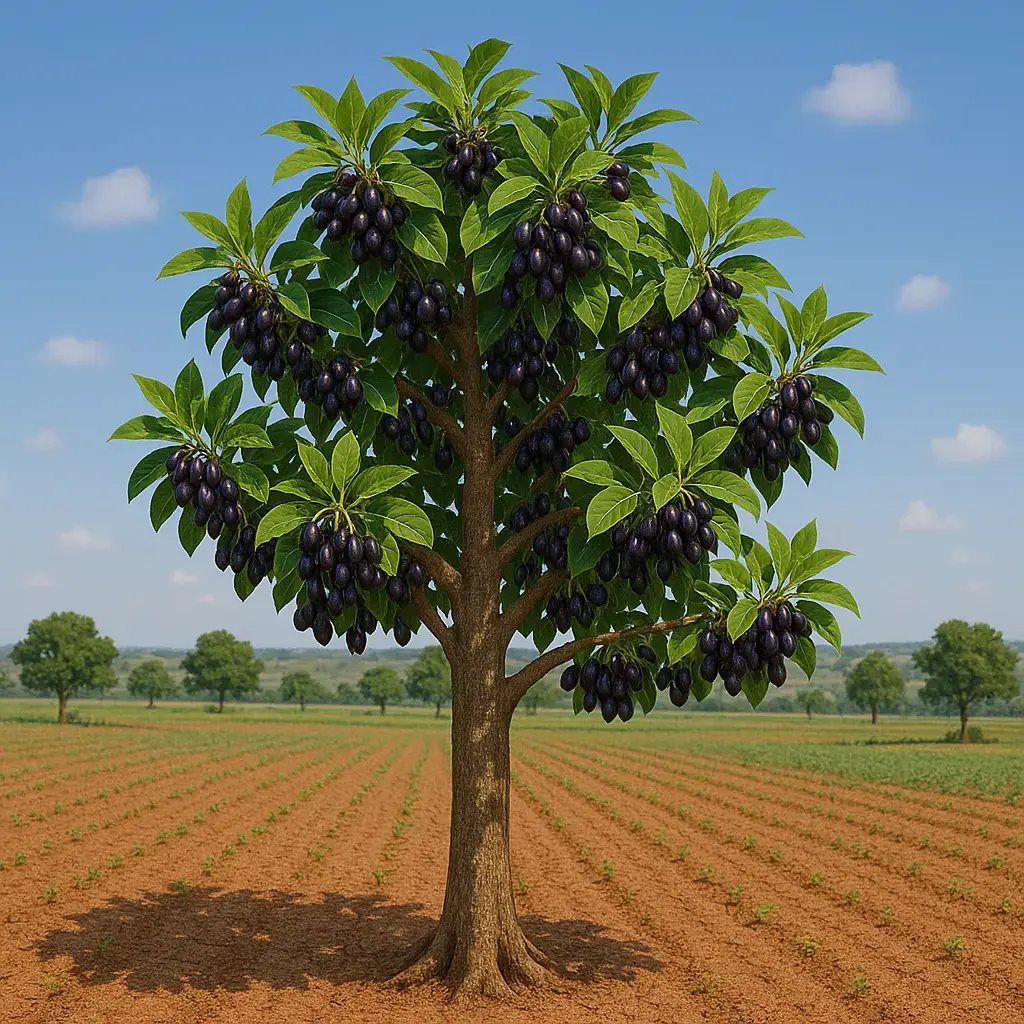
A hardy and resilient tree, the jamun tree offers colourful fruit rich in antioxidants 🍇. Planting it helps strengthen biodiversity, improve soils and diversify the resources available to local people 🌿.

8/10
7/10
5/10
6/10
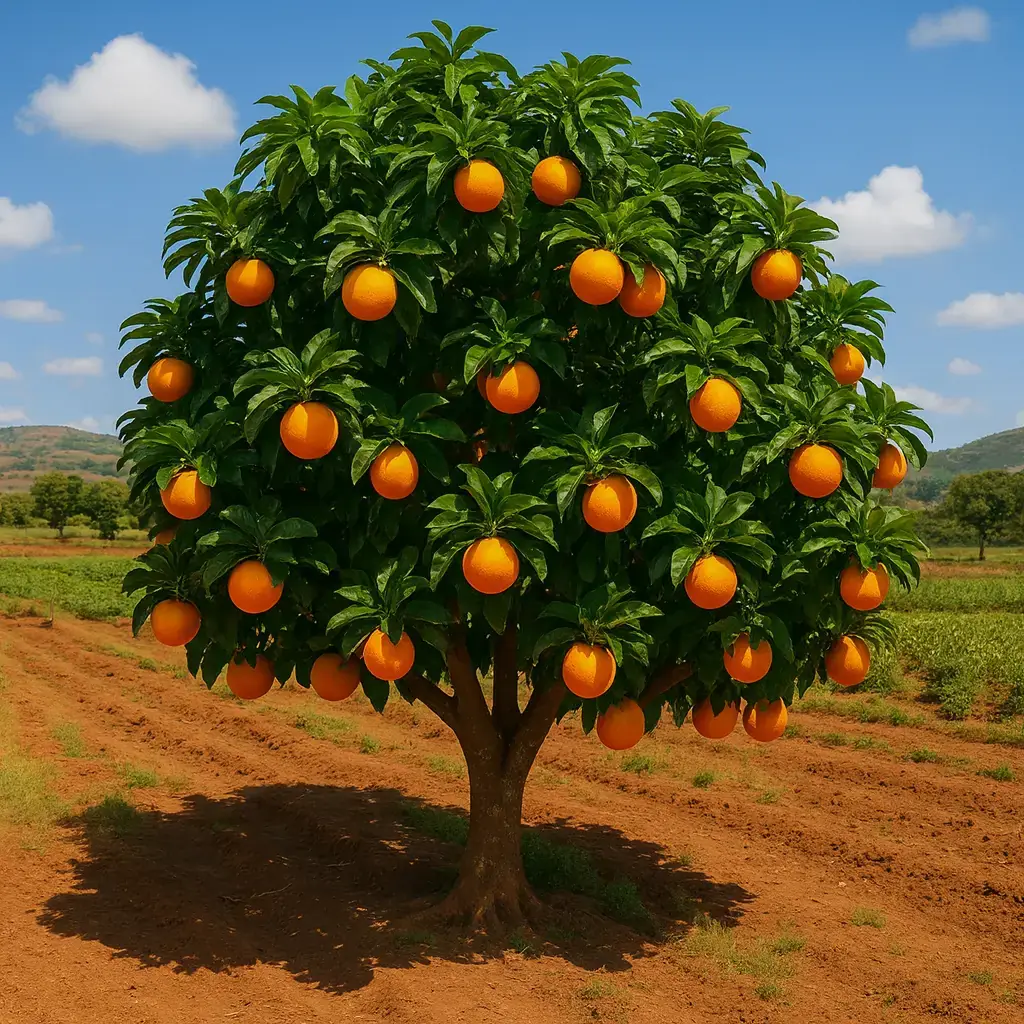
The orange tree, a symbol of vitality and freshness 🍊, gives fruit rich in vitamin C every year. Planting an orange tree means offering health and energy, while bringing a breath of prosperity to local families ❤️.
7/10
5/10
4/10
5/10
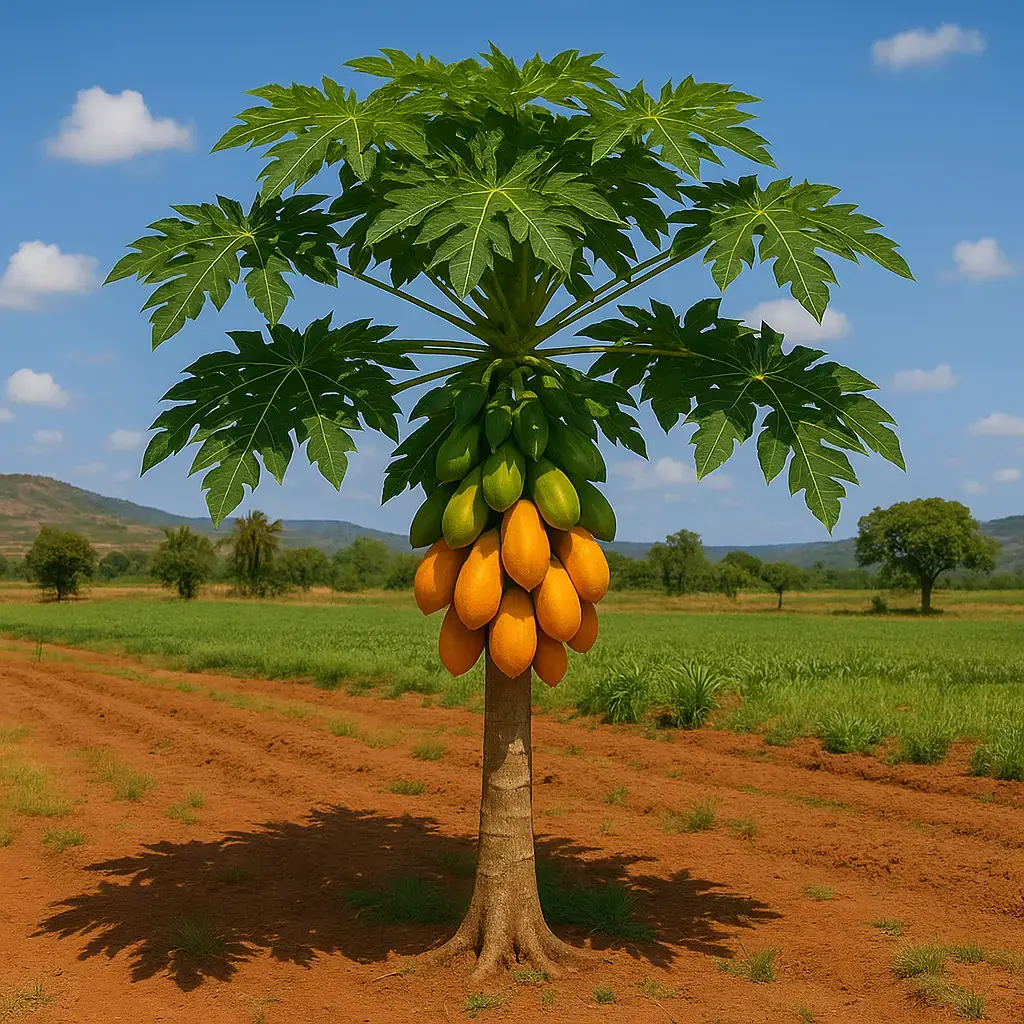
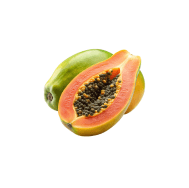
The papaya tree is a fast-growing tree 🌱, able to produce generous fruit in record time. It very quickly becomes an essential source of nutrients and an asset for strengthening households’ food self-sufficiency 💚.

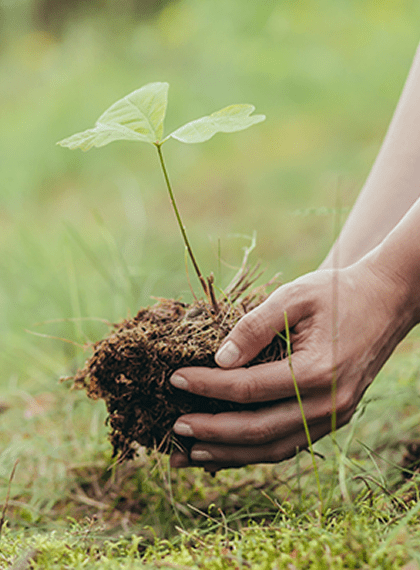

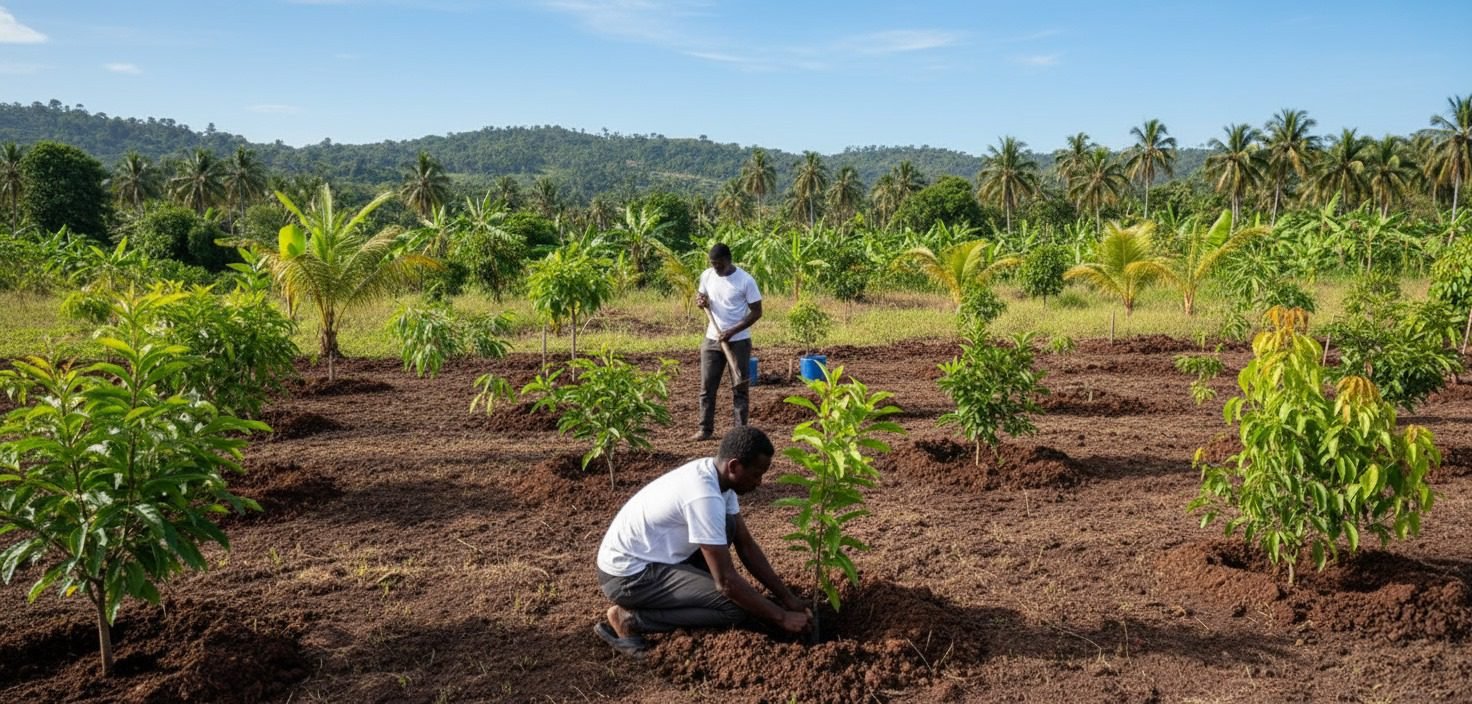
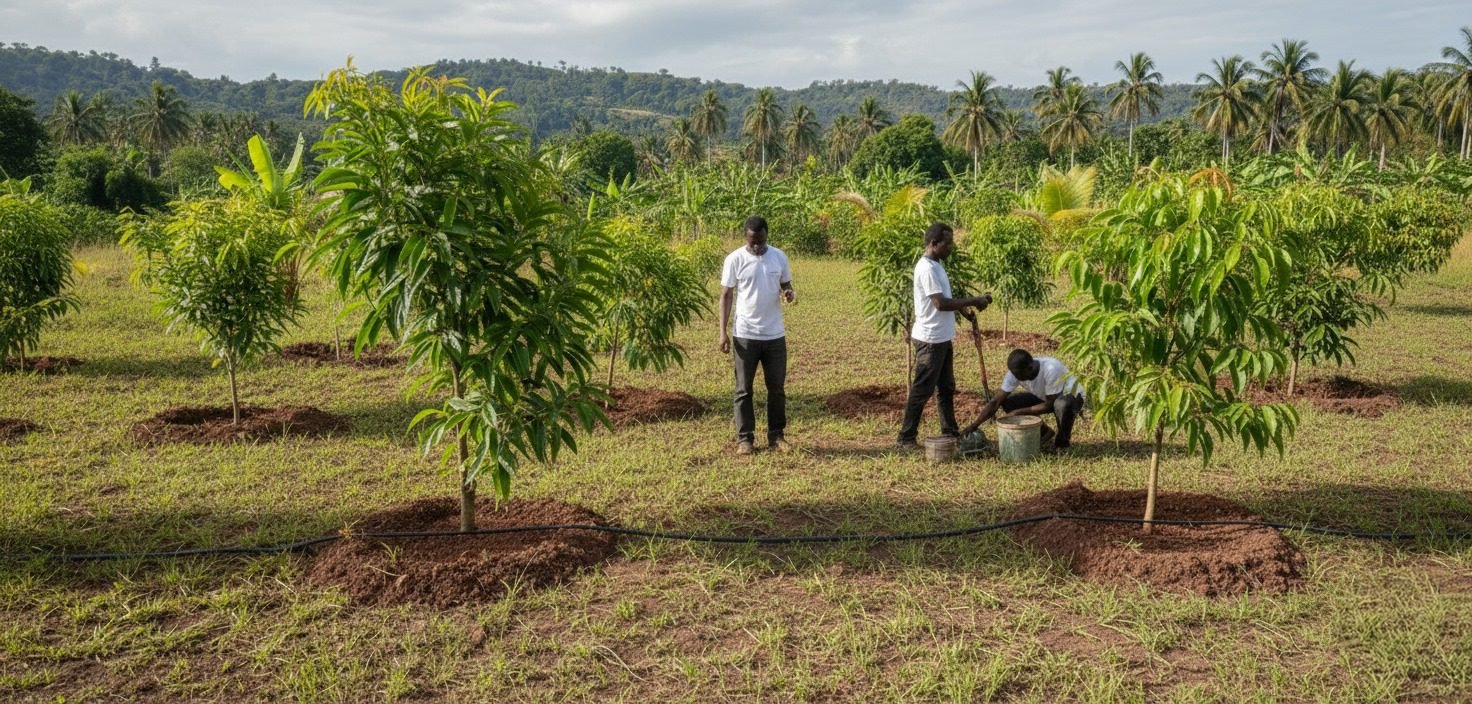
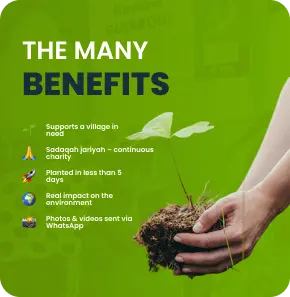
Planting a tree isn’t just an ecological symbol.
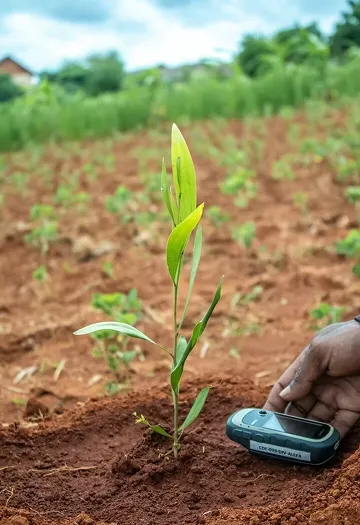
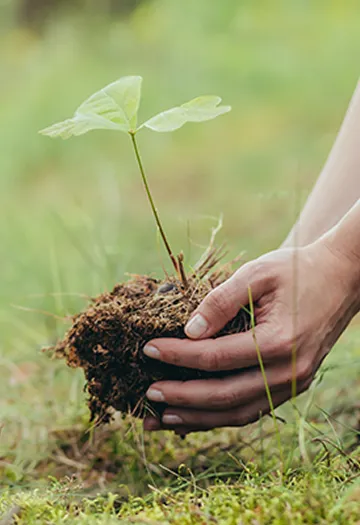
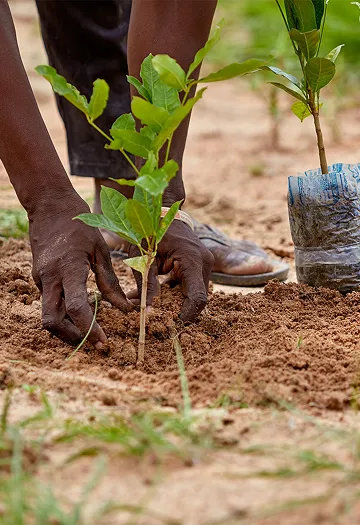
It’s a concrete action that improves families’ lives: cleaner air, shaded spaces, and preserved biodiversity. Each tree planted becomes a refuge for wildlife and a valuable resource passed on to future generations.
Sponsoring the planting of a forest—50, 100, or 150 trees—is a sadaqa jariya (ongoing charity) of truly exceptional impact. According to a hadith reported by Muslim, the Prophet Muhammad (peace and blessings be upon him) said:
“When a son of Adam dies, his deeds come to an end except for three: ongoing charity (sadaqa jariya), beneficial knowledge, or a righteous child who prays for him.”
A forest does not only provide fruit and shade: it purifies the air, restores soils, supports biodiversity, and feeds dozens of families in the long term. This project becomes a living legacy whose benefits grow year after year and whose donor continues to receive rewards long after their passing.

🌱 A multiplied impact : by planting several trees, you multiply the fruit harvests, the shaded areas and the direct benefits for families. Each bundle becomes a real driver of food security.
👨👩👧👦 Support for several families : while a single tree can already feed a small family, a full bundle supports several households by providing varied fruit and renewable resources.
🍂 Local, resilient species : mango, avocado, papaya, coconut trees… these trees are carefully chosen to suit the climate, grow quickly and thrive without heavy irrigation.
🌍 An essential ecological role : planted in groups, the trees enrich the soil, retain moisture, capture CO₂ and actively help to regreen the land.
🧺 Diversity and self-sufficiency : fruit for eating, surplus sold locally, leaves and wood reused… a bundle of trees creates a real, beneficial and lasting micro-economy.
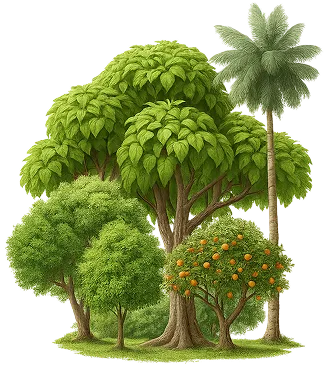
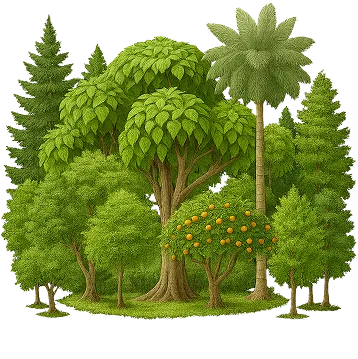
A tree bundle includes a few trees (5 or 10), while a forest brings together 50, 100, or 150. The impact is therefore multiplied: more fruit, more shade, more CO₂ absorbed, and more families benefiting.
On average, planting 50 to 150 trees takes 21 days, depending on local conditions and the available land.
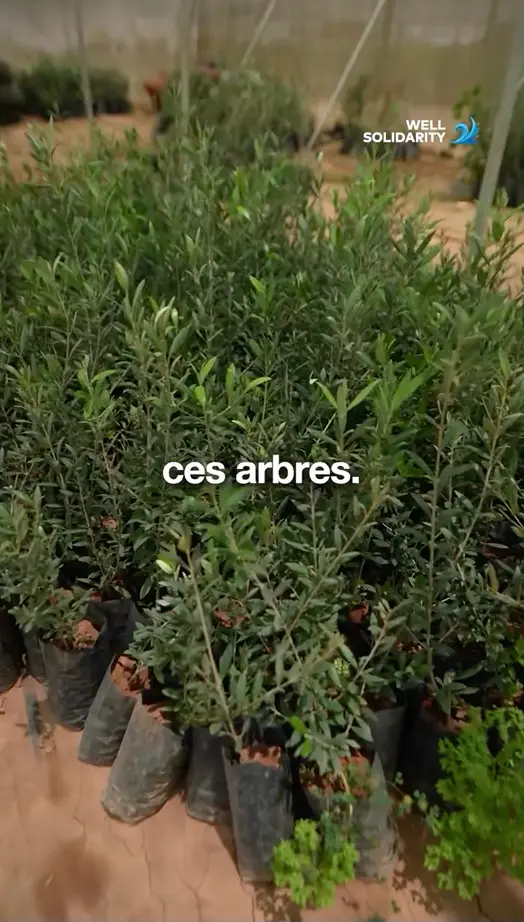
The forests include hardy, climate-adapted trees: mango, avocado, orange, coconut, papaya, jackfruit, guava, and jambolan trees. Each variety contributes to diversity and ecological balance.
A forest can produce up to 2,500 kg of fruit per year, absorb around 1,000 kg of CO₂ (the equivalent of 8,000 km driven by car), create shade, and bring arid soils back to life. It can feed up to 25 families each season.
Yes. According to a hadith reported by Muslim, the Prophet Muhammad (peace and blessings be upon him) said:
“When a son of Adam dies, his deeds come to an end except for three: ongoing charity (sadaqa jariya), beneficial knowledge, or a righteous child who prays for him.”
A forest fully falls into this category, because its benefits last for generations.
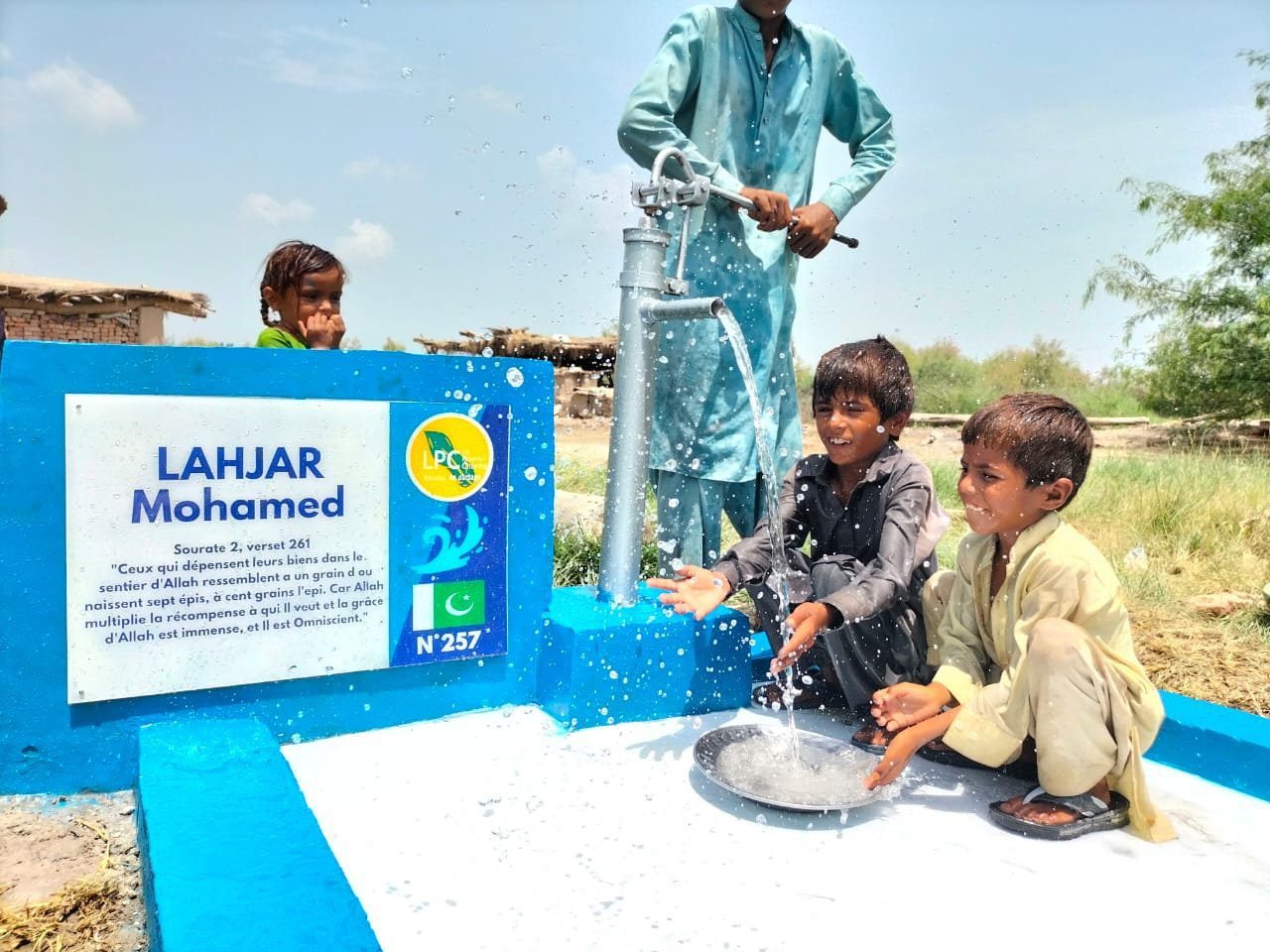
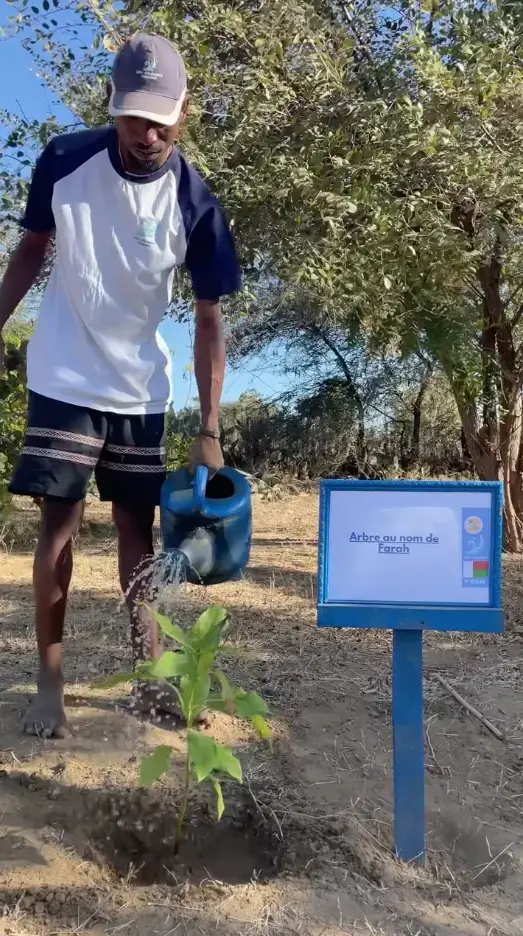
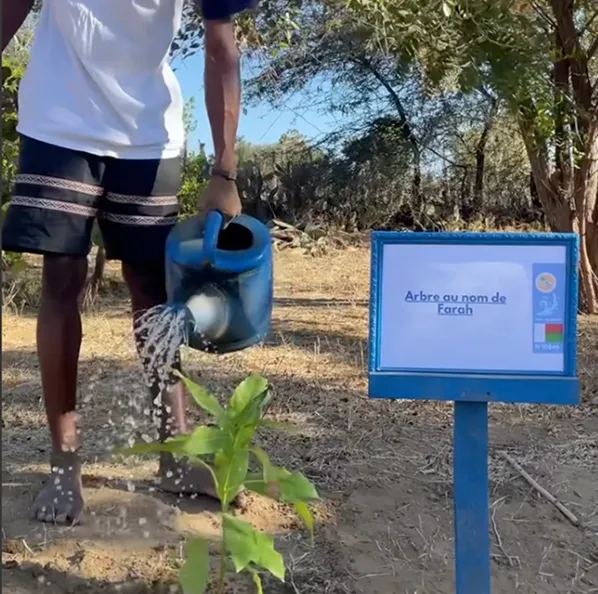
Yes. Each forest can be dedicated to a specific intention (charity, in memory of a loved one, a celebration) and can carry a name or a message (a verse from the Qur’an, a hadith, or a personal note).
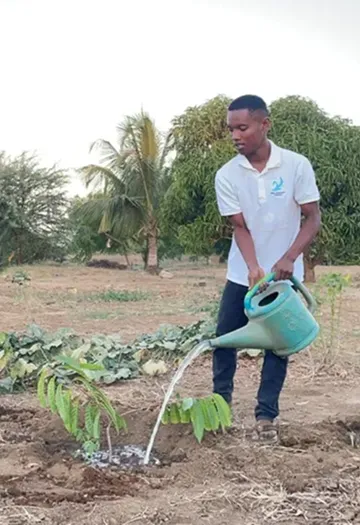
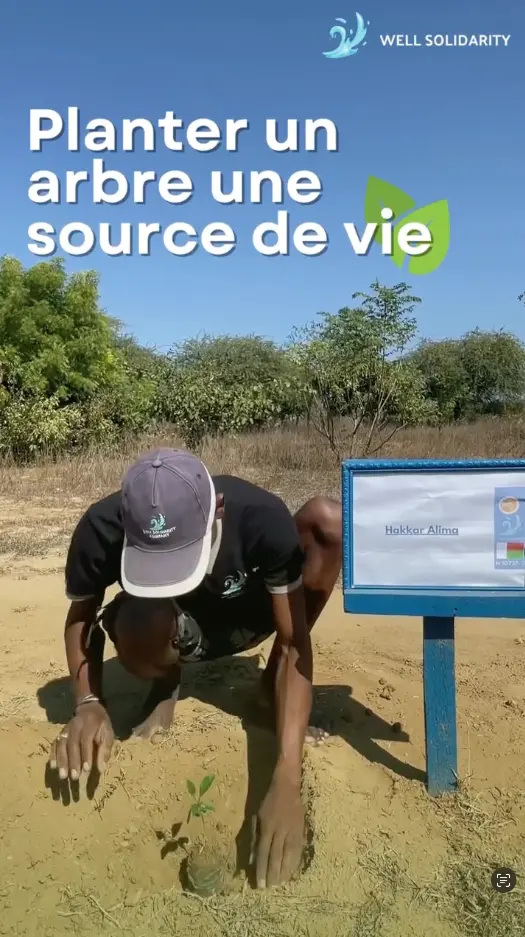
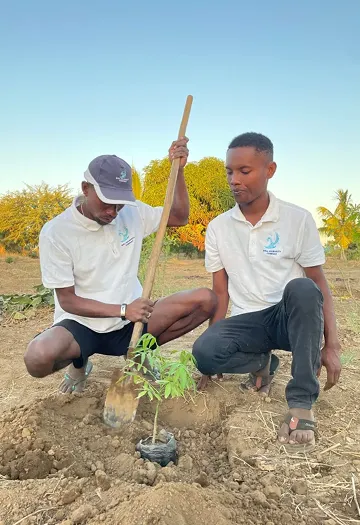
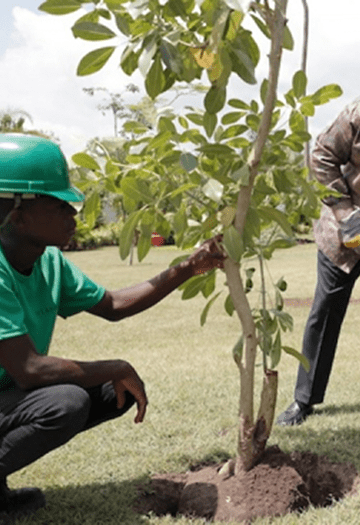
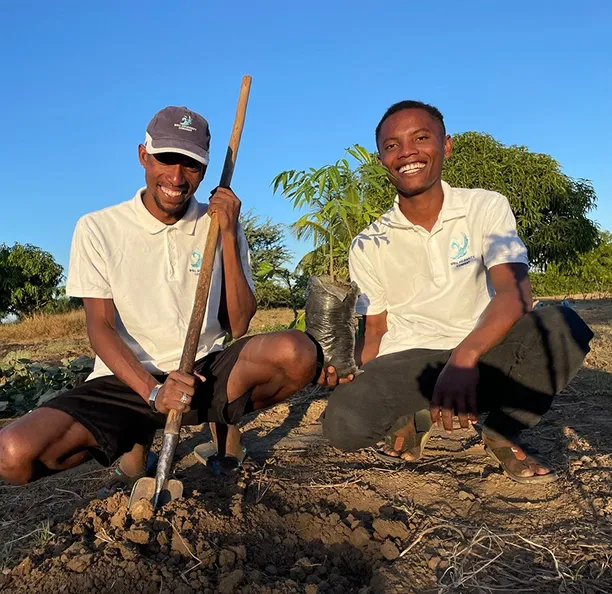
Planting is carried out by local teams, with support from the beneficiary families, who then take care of the trees. This follow-up helps ensure the forest grows and lasts.
Up to 25 families can directly benefit from the forest’s fruit and resources, in addition to the ecological benefits for the wider community.